

Arama
+
-
0
As part of the World Bank-supported Turkey Green Industry Project, coordinated by the Ministry of Industry and Technology, TÜBİTAK-TEYDEB supports private sector product or process development activities for green transformation. The 2025 second call for the 1832-coded Green Transformation in Industry program, part of the 1801-coded Reimbursable and Grant Support Program for Industrial R&D Projects, has been launched.
This call will support the pre-commercialization of prototypes developed through previous R&D studies conducted by companies related to their green transformation activities. These studies must be a continuation of R&D projects previously supported by TÜBİTAK-TEYDEB. Furthermore, R&D studies conducted with KOSGEB or other national or international funds, as well as companies' own resources, that have not yet been commercialized, are also eligible.
It is strongly emphasized that to apply for the call, the applicant organization must have at least a bachelor's degree-level employee related to the project topic, and the company must have a product at the prototype (THS 5) stage that has not yet been commercialized.
Applications are welcome from SMEs and large-scale organizations, and joint ventures are also possible. The call covers prototype development or improvement, validation and certification tests, on-site implementation, scaling, demonstration, and field trials covering the THS 5-9 range. Interest-free repayable support will be provided to capital companies under the call, with a maximum of 50% repayment. The support rates are 70% for large-scale companies, 80% for SMEs, and 90% for SMEs in earthquake zones, respectively. A portion of the repayment can be converted into grant support. Repayment of the support will begin one year after the project's completion.
In this call, unlike previous calls, the Reference Letter amount and Guarantee Letter amount requested as 50% of the reimbursable financing value have been increased to 100%.
For detailed information, click here.
Call Timeline:
Call Opening Time: 1 December 2025
Call Closing Time: 30 January 2026 (23:59, UTC+3)
For applications, click here.
The Call Document for the 1832-2025-3 Call is available below.
The Third Calls in 2024 for 2224-A Grant Program for Participation in Scientific Meetings Abroad and 2224-B Grant Program for Participation in Scientific Meetings within the Country run by TÜBİTAK Science Fellowships and Grant Programmes Directorate (BİDEB) is now open. Applications will be received through the TÜBİTAK BİDEB Application and Monitoring System until 19 July 2024 at 17:30 (UTC+3)
Click here for call text and details about 2224-A Grant Program for Participation in Scientific Meetings Abroad
Click here for call text and details about 2224-B Grant Program for Participation in Scientific Meetings within the Country
Scope
Within the scope of the programme “High Technology Platforms”, the centres are obliged to engage in collaborations with industry for project proposals in support of a co-creation approach that is a strategic approach of TÜBİTAK. The programme is expected to pave the way to specialization of Research Infrastructures through RDI funding to a bundle of R&D projects in a specific technology area, between Technology Readiness Levels (TRL) 3-6. The research centres which have been established through public funds and accredited within scope of Law No: 6550 which was published in the Official Gazette No. 29056 of 3 July 2014 as well as the research centres of “Research Universities”, which are announced by Higher Education Council (YOK) will be provided with the chance to acquire large-scaled R&D project support from TUBITAK, in order to specialize in a thematic field and become a sustainable high technology hub in Turkey.
Definitions
Research Centre: The research centres of “Research Universities”, which are announced by Higher Education Council
Research Program Manager Organization (APYOK): Research Universities and the research centres which have been established through public funds and accredited within scope of Law No: 6550
Research Program Executive Organization (APYK): Research infrastructure or R&D center or public R&D unit, which is in the research program executive group, responsible for the execution of at least one Project
Who Can Apply?
Research universities determined by YOK and research infrastructures that have been qualified within the scope of Law No. 6550 can make a preliminary application to the call to be published by TÜBİTAK as APYOK.
In the research programs to be applied; The cooperation platform must consist of at least two R&D/Design centers (accepted as a center according to Law No. 5746) and at least two research infrastructures or Public R&D units.
The universities participating in the applications are expected to have research infrastructures compatible with the subject of application.
Research Program Duration
The duration can be up to 48 months.
Research Program Support Budget Scope
The upper limit of the support amount can be specified in the call document.
Applications for infrastructure creation such as machinery-equipment, laboratory installation, building construction are not supported. Equipment, machinery, equipment, software and publication purchase, consumables, consultancy and service procurement, travel, personnel, scholarship, project output and results sharing and publication expenses are the supported expenditure items.
In addition, corporate shares and general expense support can be given.
Scope Of Research Program
Within the scope of the programme “High Technology Platforms”, the centres are obliged to engage in collaborations with industry for project proposals in support of a co-creation approach that is a strategic approach of TÜBİTAK. The programme is expected to pave the way to specialization of Research Infrastructures through RDI funding to a bundle of R&D projects in a specific technology area, between Technology Readiness Levels (TRL) 3-6.
The Artificial Intelligence Ecosystem Call aims to transform artificial intelligence technologies developed by companies based in Türkiye and committed to implementing the project results in Türkiye into products or solutions, in line with the needs of companies that require artificial intelligence solutions internally. This transformation leverages the knowledge accumulated in university/public research centers and institutes.
Under this program, five priority areas will be supported. These priority areas are:
Smart Manufacturing Systems,
Smart Agriculture, Food, and Livestock,
Financial Technologies,
Climate Change and Sustainability,
Smart Education Technologies.
In this support model, it is expected that customer organizations in need of AI solutions will form a consortium with at least one technology provider company, at least one university research laboratory/center or public research center/institute experienced in this field, and the TÜBİTAK Artificial Intelligence Institute. The consortium applying for the project must sign a cooperation agreement prior to the application.
Project applications will be accepted through the TEYDEB Project Evaluation and Monitoring System (PRODIS) between 15 June 2026, and 18 September 2026 (23:59, UTC+3). Pre-registration must be completed by 14 September 2026, at 17:30, and the necessary documents must be submitted to TÜBİTAK.
Based on lessons learned from previous calls, significant changes have been made to the project application and evaluation processes in this call. Therefore, organizations wishing to apply should carefully review the call documents. Organizations that have completed the pre-registration process can submit their project proposals to TÜBİTAK through PRODIS by the specified deadline.
Method of Application
Applications will be made online via TYBS within the dates indicated in the call announcement.
Before applying, the application conditions, the evaluation method and process should be read carefully. (See Call Text)
Documents to be uploaded to the application system must be in Turkish or English. Certified Turkish or English translations must be provided for any documents prepared in other languages.
Uploading the required documents to the system will be sufficient during the application stage, additional submission of documents to BİDEB is not required.
Following the announcement of the call evaluation result, applicants must submit the required documents to the project tracking system (PTS).
- A guide containing important principles and rules regarding the use of Generative Artificial Intelligence (GenAI) has been prepared in order to protect research integrity, data privacy, and the transparency of processes in TÜBİTAK support processes. It is of great importance that you carefully review the “Guide on the Responsible and Trustworthy Use of Generative Artificial Intelligence in Support Processes” before starting the application and research processes. In addition, click here to access the Guidelines on the Use of Artificial Intelligence in Research prepared by the European Commission.
Application can be withdrawn at any stage. For withdrawal, a petition must be sent to program’s official email address (cocirculation3@tubitak.gov.tr) stating the application year and period. BİDEB will update the application after receipt of the petition.
Proje Ekibi
Proje ekibinde proje yürütücüsü, araştırmacı, danışman, yardımcı personel ve bursiyer görev alabilir. Proje ekibinde yer alacak kişilerin TÜBİTAK - Araştırmacı Bilgi Sistemine (ARBİS) kayıtlı olmaları ve kayıtlarının güncel olması gerekmektedir.
Proje ekibinde yer alacak yürütücü, araştırmacı veya danışmanların;
• Üniversite personeli olmaları durumunda, doktora/sanatta yeterlik/tıpta uzmanlık derecesine sahip olmaları gerekmektedir (Bu koşul eğitim ve araştırma hastanelerinde çalışanları da kapsamaktadır).
• Kamu veya yükseköğretim kurumlarında yürütülecek projelerde, yürütücünün (emekliler hariç) söz konusu kurum/kuruluşun kadrolu personeli olması gerekir.
• Proje yürütücüsü, araştırmacı ve yardımcı personellerin Türkiye Cumhuriyeti sınırları içerisinde ikamet etmeleri gerekir. Yabancı uyruklu bir kişi Türkiye sınırlarındaki bir kurum/kuruluşta görev yapmak koşulu ile projede yürütücü/araştırmacı/yardımcı personel olarak görev alabilir.
• Projedeki katkı oranı %10’un altında olan kişiler araştırmacı olarak görev alamazlar, ancak danışman olabilirler. Bir projede danışman yer alabilmesi için projenin özel uzmanlık gerektiren konu ya da konularının olması ve bu hususun proje önerisinde gerekçeli olarak belirtilmesi gerekir. Bir projede görev alacak danışman sayısı o projedeki özel uzmanlık gerektiren konu sayısı ile sınırlıdır.
• Emekliler, projenin yürütüleceği kurum/kuruluş üst düzey yetkilisi tarafından projede görev alabileceklerine dair yazılı onay verilmesi şartıyla PTİ veya herhangi bir ücret ödemesi yapılmaksızın, proje yürütücüsü olarak görev alabilirler.
• Türkiye Bilimsel ve Teknolojik Araştırma Kurumu Kurulması Hakkında Kanun’un 16. maddesinin 2. fıkrasında PTİ ödemelerine ilişkin olarak yer alan ifade gereğince, sadece kamu kurum veya kuruluşlarının (vakıf üniversiteleri dâhil) kadro ve pozisyonlarında bulunanlara PTİ ödemesi yapılabilmektedir.
• Bu çağrı kapsamında Türk proje ekibinde yurtdışı araştırmacı görevlendirilemez.
• Proje yürütücüsünün veya araştırmacıların gözetimi altında, projenin yürütülmesinde tam veya kısmî zamanlı, proje süresiyle sınırlı olarak ve işvereni kurum olmak üzere istihdam edilen, sonuç raporunda adı geçmeyen uzman, teknik eleman, teknisyen, laborant, işçi ve benzeri yardımcı personel görevlendirilebilir.
Bursiyerler
Türkiye’deki yükseköğretim kurumlarında lisans ve lisansüstü (Yüksek Lisans ve Doktora) eğitimlerine devam etmekte olan "öğrenciler" veya öğrenci statüsündeki "Araştırma Görevlileri" ile doktora sonrası araştırmacılar bursiyer olarak proje ekibinde yer alabilirler.
BİDEB’den tam burs alan Lisansüstü ve Doktora Sonrası Bursiyerler için projeden de ek burs ödemesi yapılabilir. BİDEB bursu ve projeden yapılacak ek burs ödemesinin toplamı, belirlenen aylık burs limitlerini aşamaz. Burs miktarı üst sınırları aşağıda paylaşılan tabloda sunulmuştur. BİDEB’den kısmi burs alanlara projeden ayrıca burs ödemesi yapılmaz. TÜBİTAK’ın desteklediği herhangi bir projeden burs alanlar ise, ikinci bir projede bursiyer olarak görev alamazlar.
Lisans bursiyerlerinde aranan koşullar:
• Herhangi bir kurum/kuruluşta çalışmama,
• Türkiye’de Kurulu bir yükseköğretim kurumunun lisans programında 3. sınıf ve üzeri öğrencisi olmak,
• Üniversitenin not sistemi esas olmak üzere, hazırlık hariç önceki yılların ağırlıklı genel not ortalamasının en az 4 üzerinden 2,5 veya 100 üzerinden 65 olması veya bölümünde hazırlık sınıfı hariç önceki yıllara ait ağırlıklı genel not ortalamasında ilk %20 lik dilime girilmiş olması.
Öğrencinin sınıfta kalması durumunda bursu kesilir. Bir projede aynı anda en fazla 2 (iki) lisans öğrencisi bursiyer olarak yer alabilir.
Doktora Sonrası Araştırmacı bursiyerlerinde aranan koşullar:
• Doktoralı olup herhangi bir kurum/kuruluşta çalışmama,
• Doçent ve üstü akademik unvana sahip olmama,
• Doktora/tıpta uzmanlık derecesinin alındığı tarih ile ulusal son başvuru tarihi arasında kalan sürenin 7 yıldan fazla olmaması.
Yabancı Uyruklu Yüksek Lisans/Doktora bursiyerlerinde aranan koşullar:
• Yüksek lisans bursiyerlerinin 30 yaşın altında olması*
• Doktora bursiyerlerinin 35 yaşın altında olması*
(*) Başvuru yılının ilk günü itibariyla belirtilen yaşların doldurulmamış olması.
Burs Miktarı Üst Sınırları | ||
Niteliği | Ücret Karşılığı Çalışmıyor İse | Ücretli Çalışıyor İse (*) |
Lisans Öğrencisi | 750.-TL/ay | ------------ |
Yüksek Lisans Öğrencisi | 3.000.-TL/ay (BİDEB bursiyeri olması halinde 500 TL ilave edilir) | 550.-TL/ay |
Doktora Öğrencisi | 3.500.-TL/ay (BİDEB bursiyeri olması halinde 1.000 TL ilave edilir) | 650.-TL/ay |
Doktora Sonrası Araştırmacı | 4.500.-TL/ay (BİDEB bursiyeri olması halinde 1.500 TL ilave edilir) | ------------ |
Kimler Proje Yürütücüsü Olamaz?
Rektör, Rektör Yardımcısı, Başhekim, Başhekim Yardımcısı, Hastane Yöneticisi, Genel Müdür, Genel Müdür Yardımcısı, İl Milli Eğitim Müdürü; başvuru sırasında görevlerinin devam etmesi durumunda proje yürütücüsü olarak görev alamaz, ancak araştırmacı olarak görev alabilirler.
TÜBİTAK’ta görevli olan Grup Yürütme Kurulu ve Danışma Kurulu üyeleri ise; başvuru sırasında görevlerinin devam etmesi durumunda, proje yürütücüsü veya danışman olarak Avrupa Birliği Çerçeve Programları kapsamında açılan çağrılara sunulan projeler (ortak değerlendirmenin uluslararası bağımsız hakemler tarafından gerçekleştirildiği projeler) hariç görev alamaz, ancak araştırmacı olarak görev alabilirler.
Başvuru ve Değerlendirme Süreçleri
Proje başvuruları, uidb-pbs.tubitak.gov.tr internet adresi üzerinden, son başvuru tarihinden önce ve yalnızca elektronik imzayla (e-imza) yapılabilmektedir. E-imza sürecinin belirtilen son tarihlerden önce tamamlanmış olması gerekmektedir. Bursiyer, yardımcı personel ve yurtdışı danışman hariç proje ekibinde yer alan diğer kişilerin ve tüm yürütücü/katılımcı kurum/kuruluş yetkililerinin nitelikli elektronik sertifika (e-imza) sahibi olması gerekmektedir.
- İki aşamalı başvuruların birinci aşamasında proje yürütücüsünün ve bu yürütücünün yer aldığı kurumun/kuruluşun yetkilisinin e-imzaları istenmektedir.
- Tek aşamalı başvurularda ve iki aşamalı başvuruların ikinci aşamasında ise bursiyer(ler), yardımcı personel(ler) ve yurtdışı danışman(lar) hariç tüm proje ekibinin ve ilgili kurum/kuruluş yetkilisinin/yetkililerinin e-imzaları alınmaktadır.
Kamu kurum/kuruluşlarında imza yetkisi olan ve ARDEB proje başvurularını kurum/kuruluş yetkilisi olarak imzalayacak kişiler, Proje Başvuru Sistemi (PBS)’nde yer alan "Kuruluş Yetkilisi Olarak Ekle" butonuna tıklayarak gerekli bilgileri girebilir. Eklenen Kurum/Kuruluş yetkilisinin projeleri imzalayabilmesi için Kuruluş Yetkilisi ekleme işleminin ARDEB tarafından onaylanması gerekmektedir. ARDEB onay işlemi ortalama 3 iş günü içinde tamamlandığından, bu sürecin başvuruda dikkate alınması başvuru sahibinin/sahiplerinin sorumluluğundadır.
Proje önerilerinin TÜBİTAK tarafından değerlendirileceği durumlarda projeler aşağıda paylaşılan kriterler doğrultusunda değerlendirilecektir:
- Bilimsel ve Teknolojik Mükemmellik
- Yöntem
- Proje Yönetimi
- Uluslararası İşbirliğinin Önemi
- Etki
Değerlendirmenin uluslararası bağımsız panel/hakemler tarafından yapıldığı durumlarda ise ilgili uluslararası çağrı için belirlenen değerlendirme kriterleri geçerli olacaktır.
Proje Ekibi
Proje ekibinde proje yürütücüsü, araştırmacı, danışman, yardımcı personel ve bursiyer görev alabilir. Proje ekibinde yer alacak kişilerin TÜBİTAK - Araştırmacı Bilgi Sistemine (ARBİS) kayıtlı olmaları ve kayıtlarının güncel olması gerekmektedir.
Proje ekibinde yer alacak yürütücü, araştırmacı veya danışmanların;
•Üniversite personeli olmaları durumunda, doktora/sanatta yeterlik/tıpta uzmanlık derecesine sahip olmaları gerekmektedir (Bu koşul eğitim ve araştırma hastanelerinde çalışanları da kapsamaktadır).
• Kamu veya yükseköğretim kurumlarında yürütülecek projelerde, yürütücünün (emekliler hariç) söz konusu kurum/kuruluşun kadrolu personeli olması gerekir.
• Proje yürütücüsü, araştırmacı ve yardımcı personellerin Türkiye Cumhuriyeti sınırları içerisinde ikamet etmeleri gerekir. Yabancı uyruklu bir kişi Türkiye sınırlarındaki bir kurum/kuruluşta görev yapmak koşulu ile projede yürütücü/araştırmacı/yardımcı personel olarak görev alabilir.
• Projedeki katkı oranı %10’un altında olan kişiler araştırmacı olarak görev alamazlar, ancak danışman olabilirler. Bir projede danışman yer alabilmesi için projenin özel uzmanlık gerektiren konu ya da konularının olması ve bu hususun proje önerisinde gerekçeli olarak belirtilmesi gerekir. Bir projede görev alacak danışman sayısı o projedeki özel uzmanlık gerektiren konu sayısı ile sınırlıdır.
• Emekliler, projenin yürütüleceği kurum/kuruluş üst düzey yetkilisi tarafından projede görev alabileceklerine dair yazılı onay verilmesi şartıyla PTİ veya herhangi bir ücret ödemesi yapılmaksızın, proje yürütücüsü olarak görev alabilirler.
• Türkiye Bilimsel ve Teknolojik Araştırma Kurumu Kurulması Hakkında Kanun’un 16. maddesinin 2. fıkrasında PTİ ödemelerine ilişkin olarak yer alan ifade gereğince, sadece kamu kurum veya kuruluşlarının (vakıf üniversiteleri dâhil) kadro ve pozisyonlarında bulunanlara PTİ ödemesi yapılabilmektedir.
• Bu çağrı kapsamında Türk proje ekibinde yurtdışı araştırmacı görevlendirilemez.
• Proje yürütücüsünün veya araştırmacıların gözetimi altında, projenin yürütülmesinde tam veya kısmî zamanlı, proje süresiyle sınırlı olarak ve işvereni kurum olmak üzere istihdam edilen, sonuç raporunda adı geçmeyen uzman, teknik eleman, teknisyen, laborant, işçi ve benzeri yardımcı personel görevlendirilebilir.
Bursiyerler
Türkiye’deki yükseköğretim kurumlarında lisans ve lisansüstü (Yüksek Lisans ve Doktora) eğitimlerine devam etmekte olan "öğrenciler" veya öğrenci statüsündeki "Araştırma Görevlileri" ile doktora sonrası araştırmacılar bursiyer olarak proje ekibinde yer alabilirler.
BİDEB’den tam burs alan Lisansüstü ve Doktora Sonrası Bursiyerler için projeden de ek burs ödemesi yapılabilir. BİDEB bursu ve projeden yapılacak ek burs ödemesinin toplamı, belirlenen aylık burs limitlerini aşamaz. Burs miktarı üst sınırları aşağıda paylaşılan tabloda sunulmuştur. BİDEB’den kısmi burs alanlara projeden ayrıca burs ödemesi yapılmaz. TÜBİTAK’ın desteklediği herhangi bir projeden burs alanlar ise, ikinci bir projede bursiyer olarak görev alamazlar.
Lisans bursiyerlerinde aranan koşullar:
• Herhangi bir kurum/kuruluşta çalışmama,
• Türkiye’de Kurulu bir yükseköğretim kurumunun lisans programında 3. sınıf ve üzeri öğrencisi olmak,
• Üniversitenin not sistemi esas olmak üzere, hazırlık hariç önceki yılların ağırlıklı genel not ortalamasının en az 4 üzerinden 2,5 veya 100 üzerinden 65 olması veya bölümünde hazırlık sınıfı hariç önceki yıllara ait ağırlıklı genel not ortalamasında ilk %20 lik dilime girilmiş olması.
Öğrencinin sınıfta kalması durumunda bursu kesilir. Bir projede aynı anda en fazla 2 (iki) lisans öğrencisi bursiyer olarak yer alabilir.
Doktora Sonrası Araştırmacı bursiyerlerinde aranan koşullar:
• Doktoralı olup herhangi bir kurum/kuruluşta çalışmama,
• Doçent ve üstü akademik unvana sahip olmama,
• Doktora/tıpta uzmanlık derecesinin alındığı tarih ile ulusal son başvuru tarihi arasında kalan sürenin 7 yıldan fazla olmaması.
Yabancı Uyruklu Yüksek Lisans/Doktora bursiyerlerinde aranan koşullar:
• Yüksek lisans bursiyerlerinin 30 yaşın altında olması*
• Doktora bursiyerlerinin 35 yaşın altında olması*
(*) Başvuru yılının ilk günü itibariyla belirtilen yaşların doldurulmamış olması.
Burs Miktarı Üst Sınırları | ||
Niteliği | Ücret Karşılığı Çalışmıyor İse | Ücretli Çalışıyor İse (*) |
Lisans Öğrencisi | 750.-TL/ay | ------------ |
Yüksek Lisans Öğrencisi | 3.000.-TL/ay (BİDEB bursiyeri olması halinde 500 TL ilave edilir) | 550.-TL/ay |
Doktora Öğrencisi | 3.500.-TL/ay (BİDEB bursiyeri olması halinde 1.000 TL ilave edilir) | 650.-TL/ay |
Doktora Sonrası Araştırmacı | 4.500.-TL/ay (BİDEB bursiyeri olması halinde 1.500 TL ilave edilir) | ------------ |
Kimler Proje Yürütücüsü Olamaz?
Rektör, Rektör Yardımcısı, Başhekim, Başhekim Yardımcısı, Hastane Yöneticisi, Genel Müdür, Genel Müdür Yardımcısı, İl Milli Eğitim Müdürü; başvuru sırasında görevlerinin devam etmesi durumunda proje yürütücüsü olarak görev alamaz, ancak araştırmacı olarak görev alabilirler.
TÜBİTAK’ta görevli olan Grup Yürütme Kurulu ve Danışma Kurulu üyeleri ise; başvuru sırasında görevlerinin devam etmesi durumunda, proje yürütücüsü veya danışman olarak Avrupa Birliği Çerçeve Programları kapsamında açılan çağrılara sunulan projeler (ortak değerlendirmenin uluslararası bağımsız hakemler tarafından gerçekleştirildiği projeler) hariç görev alamaz, ancak araştırmacı olarak görev alabilirler.
Başvuru ve Değerlendirme Süreçleri
Proje başvuruları, uidb-pbs.tubitak.gov.tr internet adresi üzerinden, son başvuru tarihinden önce ve yalnızca elektronik imzayla (e-imza) yapılabilmektedir. E-imza sürecinin belirtilen son tarihlerden önce tamamlanmış olması gerekmektedir. Bursiyer, yardımcı personel ve yurtdışı danışman hariç proje ekibinde yer alan diğer kişilerin ve tüm yürütücü/katılımcı kurum/kuruluş yetkililerinin nitelikli elektronik sertifika (e-imza) sahibi olması gerekmektedir.
- İki aşamalı başvuruların birinci aşamasında proje yürütücüsünün ve bu yürütücünün yer aldığı kurumun/kuruluşun yetkilisinin e-imzaları istenmektedir.
- Tek aşamalı başvurularda ve iki aşamalı başvuruların ikinci aşamasında ise bursiyer(ler), yardımcı personel(ler) ve yurtdışı danışman(lar) hariç tüm proje ekibinin ve ilgili kurum/kuruluş yetkilisinin/yetkililerinin e-imzaları alınmaktadır.
Kamu kurum/kuruluşlarında imza yetkisi olan ve ARDEB proje başvurularını kurum/kuruluş yetkilisi olarak imzalayacak kişiler, Proje Başvuru Sistemi (PBS)’nde yer alan "Kuruluş Yetkilisi Olarak Ekle" butonuna tıklayarak gerekli bilgileri girebilir. Eklenen Kurum/Kuruluş yetkilisinin projeleri imzalayabilmesi için Kuruluş Yetkilisi ekleme işleminin ARDEB tarafından onaylanması gerekmektedir. ARDEB onay işlemi ortalama 3 iş günü içinde tamamlandığından, bu sürecin başvuruda dikkate alınması başvuru sahibinin/sahiplerinin sorumluluğundadır.
Proje önerilerinin TÜBİTAK tarafından değerlendirileceği durumlarda projeler aşağıda paylaşılan kriterler doğrultusunda değerlendirilecektir:
- Bilimsel ve Teknolojik Mükemmellik
- Yöntem
- Proje Yönetimi
- Uluslararası İşbirliğinin Önemi
- Etki
Değerlendirmenin uluslararası bağımsız panel/hakemler tarafından yapıldığı durumlarda ise ilgili uluslararası çağrı için belirlenen değerlendirme kriterleri geçerli olacaktır.
Yöntem
- Çağrıya yapılan başvurular, proje öneri formunda yer alan bilgiler ve çağrı duyurusunda belirlenen hedefler doğrultusunda aşağıda belirtilen ana boyutlarda panel tarafından değerlendirilir. Aşağıda belirtilen ana değerlendirme boyutları altında kullanılacak alt boyutlar, çağrının niteliğine göre farklılaşabilir. Kullanılacak alt boyutlar ilgili çağrı duyurusunda belirtilir.
- Projenin teknolojik ve/veya teknik yeterliliği.
- Projenin Yapılabilirliği.
- Projenin Etkisi.
- Panel, her bir boyut için 10 puan olmak üzere toplam 30 puan üzerinden değerlendirme yapar.
- Panel değerlendirmesi sonrasında kısa listeye alınan kuruluşlar, en az iki Grup Yürütme Kurulu üyesi tarafından yerinde ziyaret edilerek değerlendirilir.
- Grup Yürütme Kurulu, yapacağı değerlendirme neticesinde ilgili çağrıya yapılan başvuruların bir kısmının tek bir proje önerisine dönüştürülmesi amacıyla proje önerisinin ortaklı hale getirilmesi veya proje ortak sayısının artırılması yönünde Başkanlığa karar önerisinde bulunabilir.
- Grup Yürütme Kurulu, her bir boyut için 10 puan olmak üzere toplam 30 puan üzerinden değerlendirme yapar.
- Panel ve Grup Yürütme Kurulu puanlarının aritmetik ortalaması alınarak projenin nihai puanı belirlenir.
- Grup Yürütme Kurulu, proje önerilerini nihai puanlarına göre “üst”, “orta” ve “alt” olmak üzere 3 gruba ayırır.
- Başkanlık tarafından belirlenen nihai puan eşiğine göre “üst” ve “orta” gruptan desteklenecek projeler seçilir.
- Desteklenmesi uygun bulunan projeler için TÜBİTAK ve başvuru sahipleri arasında sözleşme imzalanır.
Kimler Başvurabilir
T.C. Vatandaşı olması.
Türkiye’deki üniversitelerde bir doktora programına kayıtlı olması.
Türkiye’deki üniversite ile gideceği üniversite arasında imzalanmış YÖK onaylı Ortak Doktora Protokolü bulunması.
Türkiye’deki üniversitenin Ortak Doktora Protokolü imzaladığı üniversitenin, başvuru tarihinden itibaren son üç yılın herhangi bir yılında THE (Times Higher Education), QS (Quacquarelli Symonds) veya Shanghai ARWU (Academic Ranking of World Universities) Dünya Üniversite Sıralaması çalışması kapsamında ilk 1000 üniversite arasında yer alması
Aşağıdaki yabancı dil koşullarından birini sağlaması;
5.1. Başvuru yılı itibarıyla son 5 yıl içerisinde YDS, e-YDS, YÖKDİL,e-YÖKDİL, TIPDİL sınavlarından birinden en az 60 puan veya son 2 yıl içerisinde ÖSYM tarafından eş değerliği kabul edilen yabancı dil sınavlarından birinden muadil puan almış olmak,
5.2. Türkiye’deki bir lisans/lisansüstü programdan (Öğrenim görülen programın %100 yabancı dilde eğitim vermesi gerekir) diploma almış olmak.TÜBİTAK’ta veya bağlı birimlerinde çalışmakta olanlar bu programa başvuru yapamaz.
Ekibimiz
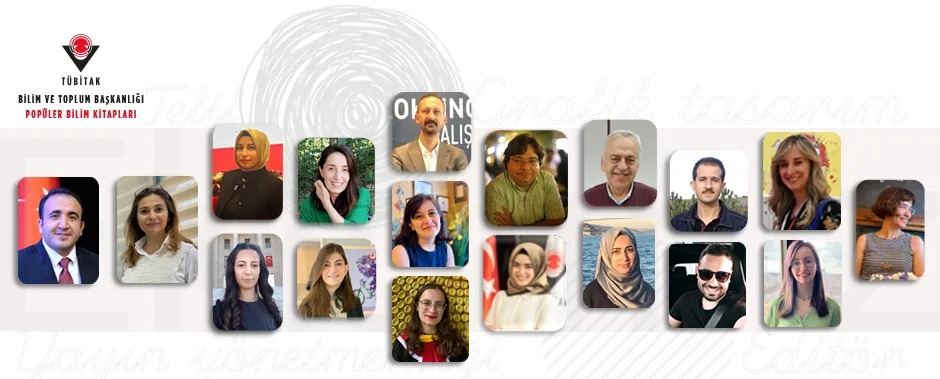
BİLİM VE TOPLUM BAŞKANLIĞI
KİTAPLAR VE TELİF ESERLER MÜDÜRLÜĞÜ
Bilim ve Toplum Başkanı
- Ömer KÖKÇAM
Genel Yayın Yönetmeni
- Fatma BAŞAR
Telif İşleri Ekibi
- Ceyhun KOÇTÜRK
- Esra TOK KILIÇ
- Havva Hilal KAÇAR
- Melike EROL
- Tuba SÖZEN
Editör Ekibi:
- Bengisu ÖZDEMİR
- Meryem Tuğba PEKŞEN
- Mustafa ORHAN
- Sena SARITAŞ
- Şermin KORKUSUZ ASLAN
- Umut HASDEMİR
- Tuncay BAYDEMİR
- Yasemin ŞAHİN
Grafik Tasarım Ekibi
- Adem YALÇIN
- Ayşe TAYDAŞ BATTAL
- Hatice FURUNCİ
Mali Koordinatör
- Adem POLAT
Türkiye, İran ve Pakistan tarafından bölgesel ekonomik işbirliğini geliştirmek amacıyla 1964 yılında kurulan Kalkınma için Bölgesel İşbirliği (Regional Cooperation for Development) teşkilatının hukuki zemini üzerine 1985 yılında EİT kurulmuştur. Ülkemiz kuruluşundan itibaren organizasyonun üyesidir (https://www.mfa.gov.tr/ekonomik-isbirligi-teskilati-_eit_.tr.mfa).
Teşkilatın amacı üye ülkelerin kalkınmalarına katkıda bulunmak, EİT bölgesi içindeki ticari engelleri kaldırmak ve bölge içi ticareti geliştirmek ve EİT bölgesinin küresel pazarlarla bütünleşmesini teşvik etmek, üye ülkeler arasındaki kültürel ve tarihi bağları güçlendirmektir.
Ülkemiz coğrafi konumu, gelişmişlik düzeyi ve köklü devlet yapısıyla kurucusu olduğu EİT içerisinde öncü bir konumdadır. Ayrıca, teşkilat içinde ticaretin geliştirilmesi ve kolaylaştırılmasında ve denize çıkışı olmayan Orta Asya ülkelerinin dünyanın önde gelen ticaret merkezlerine açılımlarını sağlayacak ulaştırma hatlarının geliştirilmesinde de önemli bir konuma sahiptir.
TÜBİTAK olarak, EİT’nin bilim ve teknoloji alanındaki işbirliği taleplerine destek veriyoruz ve EİT'nin faaliyetleri ile ilgili duyuruları resmi web sitemiz aracılığıyla paylaşıyoruz.
EİT’ye dair ayrıntılı bilgilere web sayfası üzerinden ulaşılabilir: https://eco.int
TÜBİTAK Marmara Araştırma Merkezi’nin (MAM) teknik yürütücülüğünde, Bilim ve Toplum Başkanlığı’nın (BİTO) koordinasyonunda gerçekleştirilen Biyoteknoloji İnovasyon Yarışması; inovasyon ve yüksek teknoloji alanlarındaki çalışmaları özendirmeyi, biyoteknolojinin farklı alanlarında farkındalık oluşturmayı ve bu alanda gerçekleştirilecek inovatif fikirleri desteklemeyi amaçlıyor. Biyoteknoloji; insan, hayvan, tarım ve çevreyi iyileştirmeye yönelik yeni ürünler, yöntemler ve organizmalar geliştirmek için biyolojik sistemlerin kullanılması anlamına geliyor. 2026 yılında Lise Kategorisi, Üniversite Seviyesi Fikir Kategorisi ve Üniversite Seviyesi Proje Kategorisi olmak üzere 3 farklı kategoride düzenlenen Biyoteknoloji İnovasyon Yarışması kapsamında geliştirilen veri, ürün ve süreçlerin temel bileşeninin biyolojik sistemlerle oluşturulması bekleniyor.
Türkiye’de ve yurt dışında öğrenim gören 14-30 yaş arası lise, ön lisans, lisans ve yüksek lisans öğrencilerinin başvurabildiği yarışmanın Proje Ön Değerlendirme Raporu aşamasında başarılı olan takımlar, ön eleme aşamasını geçerek Proje Detay Raporu yüklemeye hak kazandı. Proje Detay Raporu aşamasını başarıyla tamamlayan takımlar ise projelerini jüriye sunmak üzere yarışma finaline davet edilecek.
Takımlar değerlendirme sonuçlarına KYS portalı üzerinden ulaşabilir.
Yarışmalara katılan tüm takımlarımıza emekleri için teşekkür eder, bir üst aşamaya geçen takımları tebrik ederiz.
Program kapsamında; ülkemizin öncelikli ihtiyaçları doğrultusunda, doktora sonrası araştırmacıların bilimsel üretkenliğini artırmak, ulusal iş birliklerini güçlendirmek ve alanlarında yenilikçi yöntem ve yaklaşımlar edinerek akademik yetkinliklerini geliştirmelerini sağlamak amacıyla; Türkiye’deki yükseköğretim kurumları, araştırma altyapıları, kamu araştırma enstitüleri, Ar-Ge ve tasarım merkezleri ile teknoparklardaki şirketlerde yürütülecek araştırma projelerine destek verilmektedir.
Bu program kapsamında verilen destekler aşağıdaki gibidir.
Araştırma bursu,
Araştırma desteği,
İsteğe bağlı sigorta bursu.
Bu kapsamda alınan 2218–Yurt İçi Doktora Sonrası Araştırma Burs Programı 2025 yılı başvurularının bilimsel değerlendirme sonuçları belli olmuştur. Başvuru sahipleri, başvuru durumlarıyla ilgili sonucu BİDEB Başvuru ve İzleme Sistemi’nden kullanıcı girişi yaparak “Başvurularım” alanından görebilirler.
Desteğe hak kazanan adaylarımıza desteği başlatmayla ilgili bilgilendirme e-posta yoluyla iletilecek, reddedilen başvuru sahiplerine ise ret gerekçeleri iki hafta içerisinde bildirilecektir.
Girişimci ve Yenilikçi Üniversite Endeksi
Üniversitelerin yenilikçilik ve girişimcilik faaliyetlerinin teşvik edilmesi ve bu alandaki performanslarının ölçülmesi amacıyla TÜBİTAK tarafından hazırlanan Girişimci ve Yenilikçi Üniversite Endeksi, 28 Mayıs 2025 tarihinde kamuoyuyla paylaşılmıştır.
Endeks kapsamında en girişimci ve yenilikçi 50 üniversite; "bilimsel ve teknolojik araştırma yetkinliği", "fikri mülkiyet havuzu", "işbirliği ve etkileşim" ile "ekonomik ve toplumsal katkı" başlıkları altındaki 23 göstergeye göre sıralanmaktadır.
2024 yılı Girişimci ve Yenilikçi Üniversite Endeksi göstergelerinde dikkate alınan veri yıllarına, "Gösterge Seti ve Ağırlıklandırma" dokümanından ulaşabilirsiniz.
2024 yılı ilk 10 sıra
- ORTA DOĞU TEKNİK ÜNİVERSİTESİ
- İSTANBUL TEKNİK ÜNİVERSİTESİ
- YILDIZ TEKNİK ÜNİVERSİTESİ
- SABANCI ÜNİVERSİTESİ
- İHSAN DOĞRAMACI BİLKENT ÜNİVERSİTESİ
- ÖZYEĞİN ÜNİVERSİTESİ
- KOÇ ÜNİVERSİTESİ
- İZMİR YÜKSEK TEKNOLOJİ ENSTİTÜSÜ
- BOĞAZİÇİ ÜNİVERSİTESİ
- BAHÇEŞEHİR ÜNİVERSİTESİ
2024 yılı sıralama sonucu için tıklayınız.
Important Notes
Application calender are announced on TÜBİTAK web site.
Important Issues
Documents for TÜBİTAK BİGG Fund Investment Processes:
Method of Application
The documents to be uploaded to the system at the time of application must meet the following requirements, be legible, and match the information provided in the application. Otherwise, the application will be deemed invalid.
Applications must be submitted no later than the application period preceding the planned arrival date of the visiting/sabbatical scientist.
Applications must be submitted online via TÜBİTAK Yönetim Bilgi Sistemi (TYBS). The applicant is responsible for checking that the files uploaded to the electronic application system can be opened and are accurate. The system will be closed to applications at 17:30 on the application deadline. Documents submitted after the deadline or sent via e-mail, post, or fax other than through the online application system will not be evaluated and will be destroyed.
In order to complete the application, the visiting scientist must have an ARBİS registration. The name and surname information in the visiting scientist’s ARBİS record must be identical to the name and surname stated in the passport.
Except for documents obtained from abroad, all documents to be uploaded to the application system must be in Turkish. For documents prepared in other languages, certified Turkish translations must be uploaded.
Applicants who provide misleading or false information during the application process will be held legally accountable.
To withdraw an application, a signed petition must be submitted electronically to TÜBİTAK BİDEB (bideb2221@tubitak.gov.tr).
The application withdrawal request may be made at any stage of the application process.

2232 - A International Fellowship for Outstanding Researchers Programme is Still Open for Application!
Applications will be received through the TÜBİTAK Management Information System (TYBS) between 27 September 2025 and 30 December 2025 (17.30 GMT+3).
In order to contribute to projects that will be executed in research fields that are of strategic importance for our country within the scope of the programme, it is aimed to promote qualified researchers who have come to the fore with their high-level science and/or technology-oriented research in their fields and who have experience to work in an international environment, to conduct their research in Türkiye, and to provide support for them to pursue their work in state or foundation universities, public institutions, research infrastructures deemed competent within the scope of Law no. 6550, TÜBİTAK Research Centers or Institutes, private sector companies with R&D or design centres, or equity companies settled in Türkiye operating within techno parks.
Please click on the link below to see call text.
2232 - A International Fellowship for Outstanding Researchers Programme is Still Open for Application!
Applications will be received through the TÜBİTAK Management Information System (TYBS) between 27 September 2025 and 30 December 2025 (17.30 GMT+3).
In order to contribute to projects that will be executed in research fields that are of strategic importance for our country within the scope of the programme, it is aimed to promote qualified researchers who have come to the fore with their high-level science and/or technology-oriented research in their fields and who have experience to work in an international environment, to conduct their research in Türkiye, and to provide support for them to pursue their work in state or foundation universities, public institutions, research infrastructures deemed competent within the scope of Law no. 6550, TÜBİTAK Research Centers or Institutes, private sector companies with R&D or design centres, or equity companies settled in Türkiye operating within techno parks.
Please click on the link below to see call text.
Method of Application
The documents to be uploaded to the system at the time of application must meet the following requirements, be legible, and match the information provided in the application. Otherwise, the application will be deemed invalid.
Applications must be submitted no later than the application period preceding the planned arrival date of the visiting/sabbatical scientist.
Applications must be submitted online via TÜBİTAK Yönetim Bilgi Sistemi (TYBS). The applicant is responsible for checking that the files uploaded to the electronic application system can be opened and are accurate. The system will be closed to applications at 17:30 on the application deadline. Documents submitted after the deadline or sent via e-mail, post, or fax other than through the online application system will not be evaluated and will be destroyed.
In order to complete the application, the visiting scientist must have an ARBİS registration. The name and surname information in the visiting scientist’s ARBİS record must be identical to the name and surname stated in the passport.
Except for documents obtained from abroad, all documents to be uploaded to the application system must be in Turkish. For documents prepared in other languages, certified Turkish translations must be uploaded.
Applicants who provide misleading or false information during the application process will be held legally accountable.
To withdraw an application, a signed petition must be submitted electronically to TÜBİTAK BİDEB (bideb2221@tubitak.gov.tr).
The application withdrawal request may be made at any stage of the application process.
Requirements for Application and Funding of Joint Support Projects
Turkish researchers willing to apply to 2501 Joint Support Call with NSF should find a project partner eligible to be funded from any of the funding programmes of NSF.
Project partners in Türkiye should submit their project applications to TÜBİTAK via the electronic application system, while US project partners need to apply to NSF in accordance with the rules of the specific call they are planning to apply. (US Partners can apply to any of the R&D funding programmes supported by NSF) Unilateral applications will not be accepted.
TÜBİTAK and NSF review the project proposals according to their own internal procedures. The evaluation is carried out on the basis of scientific qualification. Both institutions inform each other of their decisions on the project proposals that are reviewed, and projects deemed appropriate by both parties are supported.
Projects are supported through the exchange of scientists and information. Therefore, the duration and number of mutually requested researcher exchanges within the scope of the project must be specified in detail and with justification.
In the exchange of scientists to be carried out within the scope of the projects, the "Sending Party" covers the international travel, accommodation and food and beverage expenses. Accordingly, the daily allowances to be given to cover the accommodation expenses and also the food and beverage expenses of scientists going from Türkiye are calculated within the scope of the Daily Allowance Law No. 6245 and the Decision on Daily Allowances Abroad.
The project budget;
In addition to the research budget, it also covers international travel expenses:
The upper limit of support for international research projects (including scholarship fees in the project budget, excluding Project Incentive Bonus (PTI) and Institutional Share) is 3.750.000 TL.
It is observed that the machinery and equipment demands are balanced with the total budget.
Projects aimed at creating infrastructure are not supported.
PTI and Institutional Share are paid within the scope of the project.
Project duration: The maximum project duration is 36 months for the Turkish side.
Important Issues
Organizations that will apply must meet the criteria listed below.
•The registry date of the companies must be 2 years or more (excluding spin-offs and companies established with TÜBİTAK 1512 and/or 1812 support).
•The leading organization must be a private sector company with at least 75% private sector partnership. In joint projects, this condition is not required for partners.
•A Letter of Reference to be obtained from a finance organization must be submitted stating that guarantee can be provided if the project is supported.
•For each organization, the average total assets or net sales of the last 3 years must be greater than the reimbursement financing value. (This rule is not valid for start-ups and spin offs whose registry date is less than 2 years.)
•Organizations that will take part in the project must associate their work with climate, environmental and social risks according to the monitoring criteria defined in the Environmental and Social Risk Management Declaration Form.
•If there is a change in the eligibility criteria for the application conditions, the organization must inform TÜBİTAK.
For the successful completion of the project, at least one of the defined and targeted Green Transformation Indicators (GTI) must be achieved by the end of the project. The project proposal should specify which Green Transformation Indicator (GTI) is targeted, and the methodology for confirming the achievement of this target at the end of the project should be outlined within the scope of the relevant work package. The success of the project will be evaluated based on this systematic framework at the end of the project. Services can be procured from expert institutions and organizations for this study. The expenses for service procurement can be included in the project budget.
The success criteria to be used in determining the rate of conversion of reimbursable support into a grant support are as follows:
GTI 1: Reduction in electricity consumption per unit of production (at least 10%)
GTI 2: Reduction in water consumption per unit of production (at least 10%)
GTI 3: Reduction in the amount of non-recyclable waste (at least 10%)
GTI 4: Development of innovative green technology solutions
The achievement of Green Transformation Indicators targets should be reported to TÜBİTAK in the final report during the monitoring process.

2232 - B International Fellowship for Early Stage Researchers Programme is Still Open for Application!
Applications will be received through the TÜBİTAK Management Information System (TYBS) between 27 September 2025 and 30 December 2025 (17.30 GMT+3).
In order to contribute to projects that will be executed in research fields that are of strategic importance for our country within the scope of the programme, it is aimed to promote young researchers under the age of 40 who have come to the fore with their high-level science and/or technology-oriented research in their fields and who have experience to work in an international environment, to conduct their research in Türkiye, and to provide support for them to pursue their work in state or foundation universities, public institutions, research infrastructures deemed competent within the scope of Law no. 6550, TÜBİTAK Research Centers or Institutes, private sector companies with R&D or design centres, or equity companies settled in Türkiye operating within techno parks.
2232 - B International Fellowship for Early Stage Researchers Programme is Still Open for Application!
Applications will be received through the TÜBİTAK Management Information System (TYBS) between 27 September 2025 and 30 December 2025 (17.30 GMT+3).
In order to contribute to projects that will be executed in research fields that are of strategic importance for our country within the scope of the programme, it is aimed to promote young researchers under the age of 40 who have come to the fore with their high-level science and/or technology-oriented research in their fields and who have experience to work in an international environment, to conduct their research in Türkiye, and to provide support for them to pursue their work in state or foundation universities, public institutions, research infrastructures deemed competent within the scope of Law no. 6550, TÜBİTAK Research Centers or Institutes, private sector companies with R&D or design centres, or equity companies settled in Türkiye operating within techno parks.