

Arama
+
-
0
Innovative Educational Applications Support Programme was launched in 2013 and designed for graduate students, academicians in universities, permanent teachers working actively in an institution, and employees of science centers run by public and municipal affiliates. Innovative Educational Applications Support Programme covers interactive activities that provide the students with the necessary knowledge and skills through innovative approaches to arouse interest and curiosity in their branches, develop positive attitudes, increase their motivation and enable them to learn. Since 2018, the project coordinator should have a Ph.D. degree.
2205-Undergraduate Scholarship Program run by TÜBİTAK Science Fellowships and Grant Programmes Directorate (BİDEB) 2024/2 call results announced. Application results can be accessed through the TÜBİTAK BİDEB Application and Monitoring System (https://ebideb.tubitak.gov.tr/).
2205-Undergraduate Scholarship Program for the Year 2024, Second Term applications have been received between 7–25 October 2024. In total, 880 students from 43 different universities who met the application conditions are supported for scholarship.
IMPORTANT NOTE: No documents are requested from candidates who are eligible to receive a scholarship. Students who are not eligible for the scholarship will be informed via e-mail.
TÜBİTAK Bilim İnsanı Destek Programları Başkanlığı (BİDEB) tarafından yürütülen 2205-Lisans Burs Programı 2024 yılı 2. dönem çağrısının sonuçları açıklandı. Başvuru sonuçlarına BİDEB Başvuru ve İzleme Sistemi (https://ebideb.tubitak.gov.tr/) üzerinden ulaşılabilir.
2205-Lisans Burs Programı 2024 yılı 2. dönem başvuruları 7–25 Ekim 2024 tarihleri arasında alınmıştır. Başvuru koşullarını sağlayan 43 farklı üniversiteden toplam 880 kişi burs almaya hak kazanmıştır.
ÖNEMLİ NOT: Burs almaya hak kazanan adaylardan herhangi bir belge talep edilmemektedir. Bursa hak kazanamayan öğrencilere e-posta yoluyla bilgilendirme yapılmıştır.
Quantum Frontiers of Technology
Enstitümüz 8-11 Kasım 2019 tarihleri arasında “Quantum Frontiers of Technology” konulu ve uluslararası düzeyde bir çalıştay düzenleyecektir. Dünyanın önde gelen üniversitelerinden bilim insanları ile ülkemizin seçkin bilim insanları ve genç araştırmacı/öğrencilerin katılımıyla gerçekleşecek olan bu çalıştayda, teknolojinin kuantum ufukları, yapılan çağrılı bilimsel-teknik ve popüler konuşmaların yanı sıra interaktif tartışmalar çerçevesinde de ele alınacak; bu konularda ülkemizde yapılan çalışmalara yeni bir boyut ve heyecan kazandırılacaktır.
Söz konusu çalıştay yeniden kurulmakta olan TBAE’nin fonksiyonel faaliyetleri kapsamında, ülkemizin 11 inci Kalkınma Planı (2019-2023) ve 2 inci 180 günlük eylemi doğrultusunda düzenlenmektedir.
Quantum to Cosmos: Ideas and Applications
Enstitümüz 25 Haziran - 4 Temmuz 2019 tarihlerinde “Quantum to Cosmos: Ideas and Applications” konulu bir yaz okulu düzenleyecektir.
- Bu yaz okulu dünyanın önde gelen bilim insanlarının katılımıyla uluslararası düzeyde yapılacaktır ve araştırmacı/öğrenci gençlerimizin temel bilim alanlarında yetişmelerine önemli katkı sağlayacaktır.
- Bu yaz okulunun yapılması üniversitelerimizdeki öğretim üyelerinin de çalışmalarına katkı sağlayacaktır.
- Bu yaz okulunun yapılması yeniden yapılandırılma süreci devam eden TBAE’nin uluslararası saygınlık ve tanınırlık kazanması yönünde önemli bir adım olacaktır.
Varank, “Bugün bir araya gelmemizi sağlayan ‘The Aziz Sancar Lecture’ etkinliğini, Aziz Sancar Hocamızın onuruna düzenliyoruz. Bu etkinlik bizim için çok önemli bir sayfa. Şüphesiz ‘The Aziz Sancar Lecture’ da The Schrödinger Lecture, The Dirac Lecture, The Oppenheimer Lecture, The Abdus Salam Lecture gibi dünyadan ses getirecek.” ifadelerini kullandı.
“ ‘The Aziz Sancar Lecture’ ülkemiz için bir ilk olduğu gibi, kabul ederse Aziz Hocamıza da bir vefa borcumuzdur.” vurgusu yapan Varank, “Her sene yapılacak bu etkinlikte yeni keşifler veya ortaya çıkan yeni problemler tartışılacak. Daha da önemlisi ‘The Aziz Sancar Lecture’ bilim camiasına vizyoner bir bakış açısı sağlayacak.” değerlendirmesinde bulundu.
Bakan Varank, “Günümüzde yaşamın moleküler düzeyde işleyişine ışık tutan bilgi üretimi konusunda adeta devrimsel gelişmeler yaşandı. Tabi bu gelişmeler öyle kendi kendine olmadı. İnsanlığa hizmet yoluna kendini adamış, kararlılık sahibi bilim insanları sayesinde gerçekleşti. İşte Aziz Sancar Hocamız bu alanda çığır açan bilim insanlarından bir tanesi.” dedi.
Bilim ve teknolojiye verdikleri önemi Bakan Varank, “Biz biliyoruz ki insanlığın gelişiminin itici gücü bilim ve teknoloji tutkusudur. Biz inanıyoruz ki insanlığın bugününü dününe göre daha güzel yapan bilim ve teknolojidir. İnsanlığın bugün karşılaştığı ve yarın karşılaşacağı sorunlara çare bilim ve teknolojidir.” ifadeleriyle vurguladı.
TÜBİTAK Bünyesinde açılan Aziz Sancar Yurt Dışı Doktora Sonrası Araştırma Burs Programına da değinen Varank, “Hocamız çalışmaları sayesinde layık görüldüğü Nobel Ödülü ile ülkemizi son derece gururlandırdı. Elbette insanlık yararına böylesine önemli çalışmalar gerçekleştiren Aziz Sancar Hocamız her şeyi hak ediyor. Bu manada biz de Sanayi ve Teknoloji Bakanlığı olarak bir adım atmak istedik. Bizleri gururlandıran kıymetli Aziz Sancar Hocamız adına bir araştırma burs programı ihdas ettik. Esasında biz, Hocamız için bir şey yapalım dedik ama hocamız burada da kadirşinaslığını gösterdi. Aziz Sancar Doktora Sonrası Araştırma Burs Programı ile genç bilim insanlarımız çalışmalarını Hocamızın araştırma laboratuvarında sürdürebilecek. Ülkemizde ihtiyaç duyulan nitelikli insan kaynağının gelişimi noktasında bu program ülkemiz için büyük önem arz ediyor.” diye konuştu.
Varank, konuşmasını, Aziz Sancar, TÜBİTAK Temel Bilimler Araştırma Enstitüsü ve etkinlik katılımcıları ile "The Aziz Sancar Lecture"nin ilk konuşmacısı olan ABD'li bilim insanı, virolog ve doktor, 2020 Nobel Fizyoloji veya Tıp Ödülü sahibi Profesör Harvey James Alter'a teşekkür ederek tamamladı.
“Aziz Sancar Türk gençliğine örnek bir başarı hikayesi sundu”
Etkinliğini bir diğer açılış konuşmasını Sanayi ve Teknoloji Bakan Yardımcısı Mehmet Fatih Kacır gerçekleştirdi. Kacır konuşmasında Aziz Sancar’ın Türk gençliğine, Türk bilim insanlarına örnek bir başarı hikayesi sunduğunu belirtti. Türk gençliğine örnek olan Aziz Sancar’ın “Bizim bu memlekete borcumuz var” diyerek her an memleketine faydalı olmayı hedef edinen, idealleriyle kendini yetiştiren insanların nasıl evrensel hale gelebildiğini herkese kanıtladığını kaydeden Kacır, “Aziz Sancar Hocamız, elli yıl önce ABD'ye ayak basıp bilimsel çalışmalarını o ülkede gerçekleştirmeseydi Nobel ödülü alabilir miydi? Maalesef ki o günün Türkiye'sinin şartlarını dikkate aldığımızda bu soruya olumlu bir cevap vermek oldukça güç. Ama bugün çok farklı bir Türkiye'yle karşı karşıyayız. Türkiye artık kuvvetli ARGE altyapısına sahip bir ülke.” dedi.
Mehmet Fatih Kacır “Hedefimiz Türkiye'yi sağlıkta, sağlık teknolojilerinde dünyada söz sahibi ülkeler arasına dahil edebilmek. Bunun için gerekli fiziki altyapıyı özellikle son yirmi yılda yaptığımız yatırımlarla ülkemize kazandırdık. Yetkin insan kaynağımız da mevcut. Aziz Sancar hocamızın çizdiği yolda ilerleyen gençlerimiz TÜBİTAK'ın hayata geçirdiği Aziz Sancar doktora sonrası araştırma programıyla birlikte insan kaynağımız her geçen gün daha da güçlenmekte.” değerlendirmesinde bulundu.
Kacır, “Temennimiz, gençlerimizin yurt dışında araştırmalarına başlamış olsalar dahi günün sonunda çalışmalarını ülkemizde sürdürebilmeleri. Çünkü artık dünya çapında ses getirecek başarılara imza atmanın geleceğin Aziz Sancarları olmanın yolu, ülkemiz gençleri için bir ömrü vatanlarından uzakta geçirmek değil.” dedi.
Hepatit C'nin de tehlikelerinden bahseden Kacır, “Profesör Harvey James Alter’ın çalışmaları ise uzun yıllar boyunca hastalığın karanlıkta kalan sebebini araladı. Yalnızca kronik hepatitte ışık tutmakla kalmayıp aynı zamanda milyonlarca hayatı kurtaracak olan kan testleri ve tedavilerinin de temeli atıldı. İnsanlık faydasına yürütülen bu çalışmalar asla unutulmayacak. Bugün bir araya gelmemize vesile olan Aziz Sancar konuşmaları ile kendisinin çalışmalarını yakından dinleme imkanına kavuşacağız.” ifadelerini kullandı.
"Gelecekteki problemlerin çözümü temel bilimlerde"
Bir diğer açılış konuşmasını yapan TÜBİTAK Başkanı Prof. Dr. Hasan Mandal, Temel Bilimler Araştırma Enstitüsü Olarak özellikle pandemi dönemini bir fırsata dönüştürmek için çevirimiçi etkinlikleri başlattıklarını hatırlatarak bugün bu etkinliklerin en kapsamlısının gerçekleştirildiğini kaydetti. Etkinliğe katılımın yoğun olmasının kendilerini hem heyecanlandırdığını hem de sorumluluklarını artırdığını belirten Mandal, Prof. Dr. Aziz Sancar’a bu etkinlik için isminin kullanılmasından ötürü izin verdiği için duyduğu memnuniyeti ifade etti. Mandal bu ilk etkinliğin konuşmacısı olan Profesör Harvey James Alter’a da katılımlarından dolayı teşekkür etti.
TÜBİTAK Başkanı küresel anlamda bakıldığında özellikle COVID-19 salgınıyla birlikte bilime olan ihtiyacın daha fazla arttığını ve bu anlamda da temel bilimlerin desteklenmesine ihtiyaç olduğunu ifade etti.
Gelecekte özellikle iklim değişikliği ve bununla ilgili başlıkların tümünün çözümünün temel bilimlerle mümkün olacağını dile getiren Mandal, gelecek perspektifinde karamsarlığa düşmeden bilim temelli yaklaşımlarla fırsat yaratılabileceğini aktardı.
Temel bilimlerin önemine vurgu yapan TÜBİTAK Başkanı, “kurum olarak temel bilimler araştırmacılarının ortak buluşma noktası olarak katkı vermeye çalışıyoruz” ifadelerini kullandı.
Mandal, TÜBİTAK olarak da geleceğe yönelik bilimsel perspektif kazanılması amacıyla çeşitli etkinlikler düzenlediklerini kaydederek, "Temel bilimlerde sürdürülebilir kalkınma noktasındaki önemi üzerine yakın zamanda UNESCO Dünya Bilimler Akademisi (TWAS) ile ortaklaşa bir müzakeremiz oldu ve bir anlaşma imzaladık. Bu yıldan başlayarak temel bilimler alanında gelişmekte olan ülkelerden ve Türk cumhuriyetlerinden 25 genç bilim insanını Türkiye'de doktora düzeyinde ve doktora sonrası araştırma yapmaları yönünde destekleyeceğiz." diye konuştu.
“The Aziz Sancar Lecture bilimin birleştirici özelliğine hizmet edecektir”
‘The Aziz Sancar Lecture’ Etkinliğinin moderatörlüğünü TBAE Müdürü Prof. Dr. Alikram Nuhbalaoğlu yaptı. “TÜBİTAK Temel Bilimler Araştırma Enstitüsü, Sayın Cumhurbaşkanımızın değerli desteğiyle; adeta külden alev doğarak bilimin ufukları kapsamında araştırma ve eğitim faaliyetlerini giderek artan heyecanla devam ettirmektedir.” diyen Nuhbalaoğlu “Günümüzde çığır açan bilimsel çalışmalarıyla uygarlığın gelişimine üstün hizmet etmiş bilim insanlarının onuruna, dünyanın gelişmiş ülkelerinde çeşitli etkinlikler düzenlenmektedir. ‘The Aziz Sancar Lecture’ etkinliğimiz bu geleneğin yeni bir parçasıdır.” değerlendirmelerinde bulundu.
Nuhbalaoğlu, etkinliğin önemine vurgu yaparak “‘The Aziz Sancar Lecture’ etkinliğimiz ülkemizde bilimsel merakın ve bilim kültürünün yaygınlaşmasına önemli katkılar sağlayacaktır. Uluslararası boyutu göz önüne alındığında, ‘The Aziz Sancar Lecture’ etkinliğimiz coğrafi sınırlara, dillere ve ırklara bakmaksızın, bilimin birleştirici özelliğine hizmet edecektir.” İfadelerini kullandı.
Nuhbalaoğlu, “The Aziz Sancar Lecture etkinliğimiz, Aziz Hocamıza olan duygumuzun bir simgesi olarak bilim tarihimize geçecektir.” dedi.
“Hepatit C: Başlangıcın Sonu ve Muhtemelen Sonun Başlangıcı”
Açılış konuşmalarının ardından, Amerikalı bilim insanı Harvey James Alter “Hepatit C: Başlangıcın Sonu ve Muhtemelen Sonun Başlangıcı” başlıklı bir konuşma gerçekleştirdi. Sunumunda yaptığı çalışmaları detaylı olarak paylaşan Alter, katılımcıların sorularının yanıtladı. Yalnızca soruları yanıtlayarak bilmsel merakları gidermekle kalmayan Alter özel hayatından kesitler de paylaştı.
Prof. Dr. Aziz Sancar da etkinliğin sonunda Prof. Alter’e bu etkinliğe katılımından dolayı teşekkür etti. Nobel ödülü aldığını ancak hayat kurtaran kansere çare olan, ilaçlar bulanları kıskandığını belirten Sancar, milyonlarca hayat kurtaran insanları kıskanmamanın mümkün olmadığını kaydetti. Prof. Alter’ın konuşmasını büyük bir hayranlıkla dinlediğini belirten Sancar, bu sunumun hem Türkiye hem de insanlık için çok destekleyici olduğuna vurgu yaptı.
Kaynak: TÜBİTAK Başkanlık https://www.tubitak.gov.tr/tr/haber/the-aziz-sancar-lecture-aziz-hocamiza-bir-vefa-borcumuzdur
Okul Web Sitesi
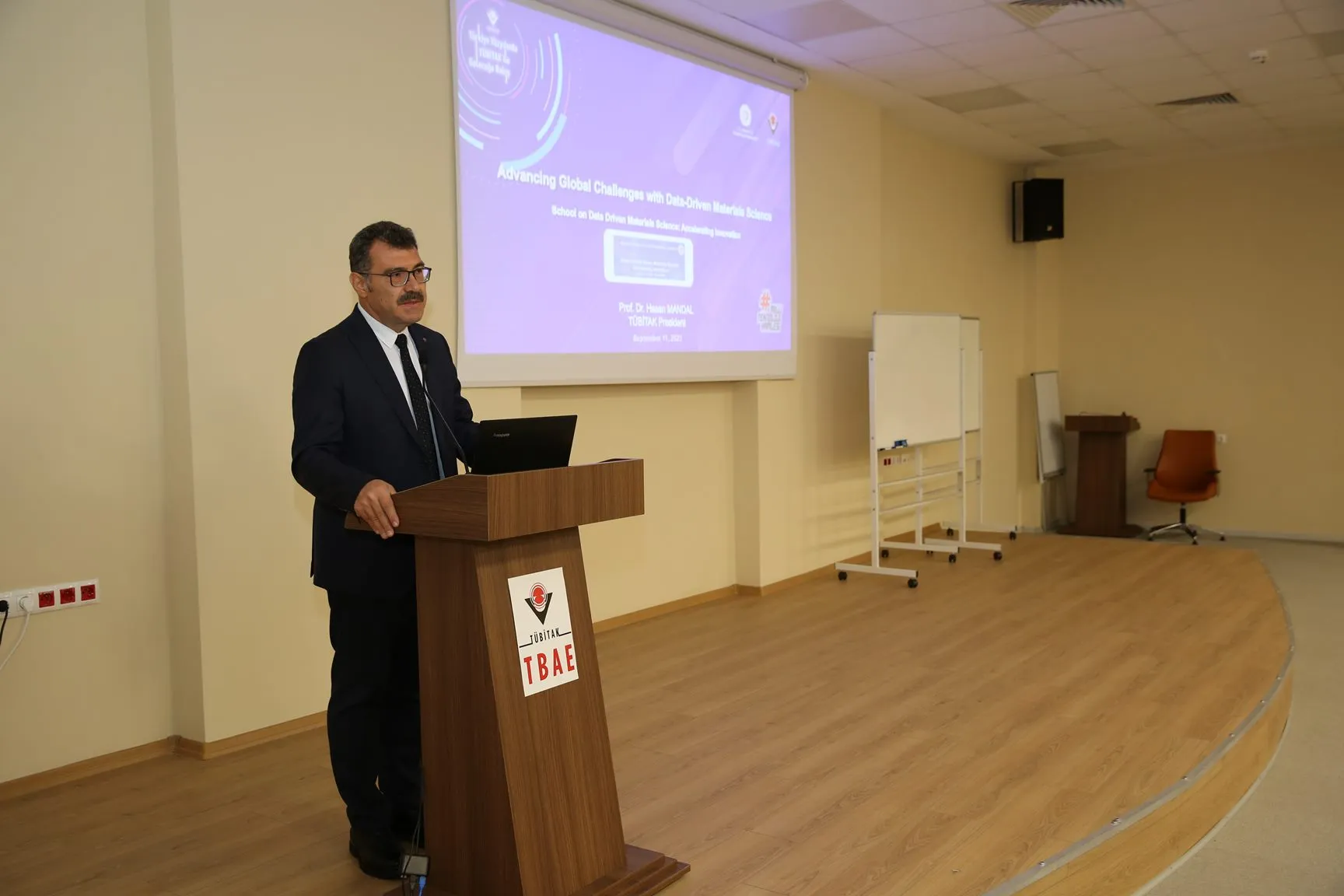
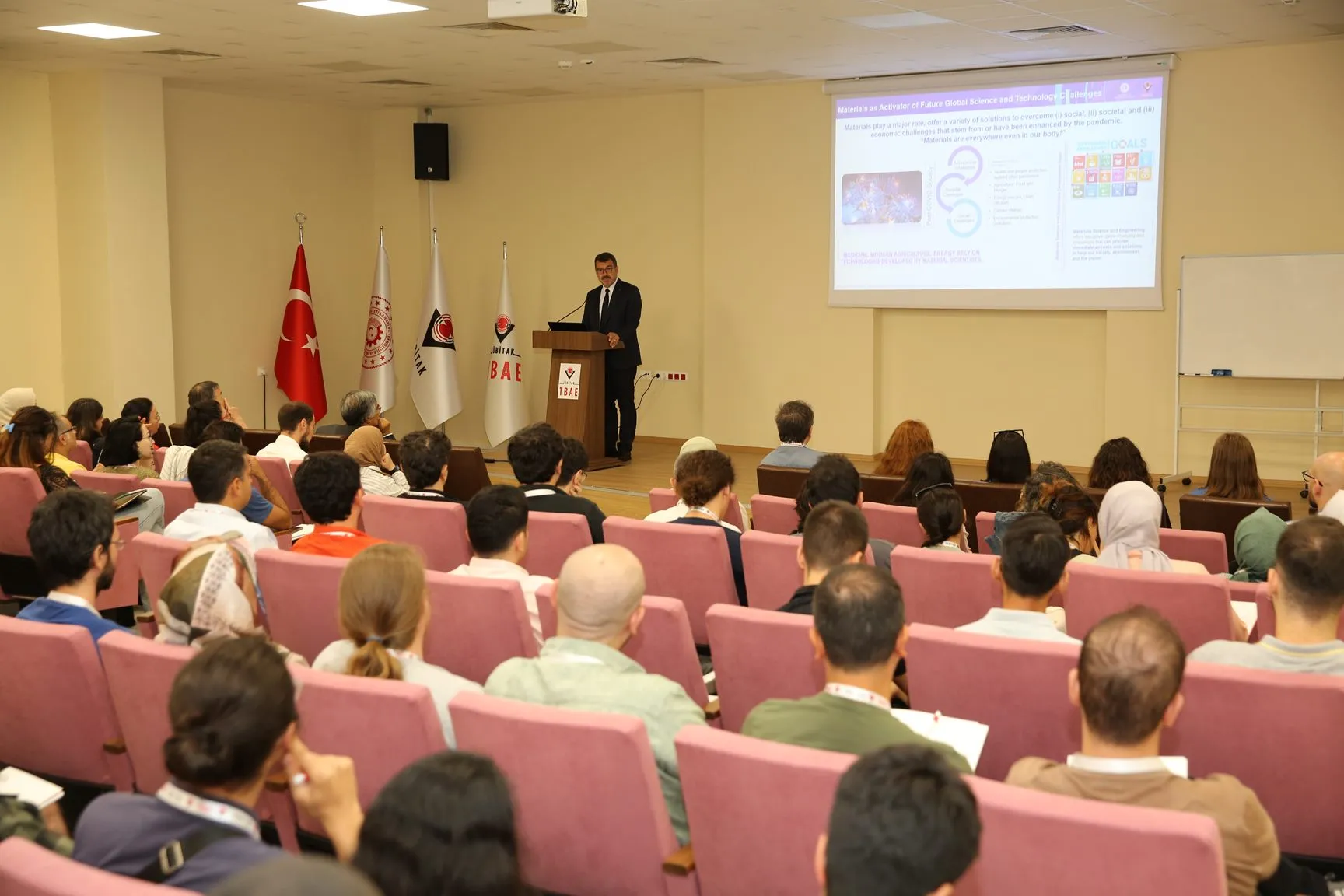
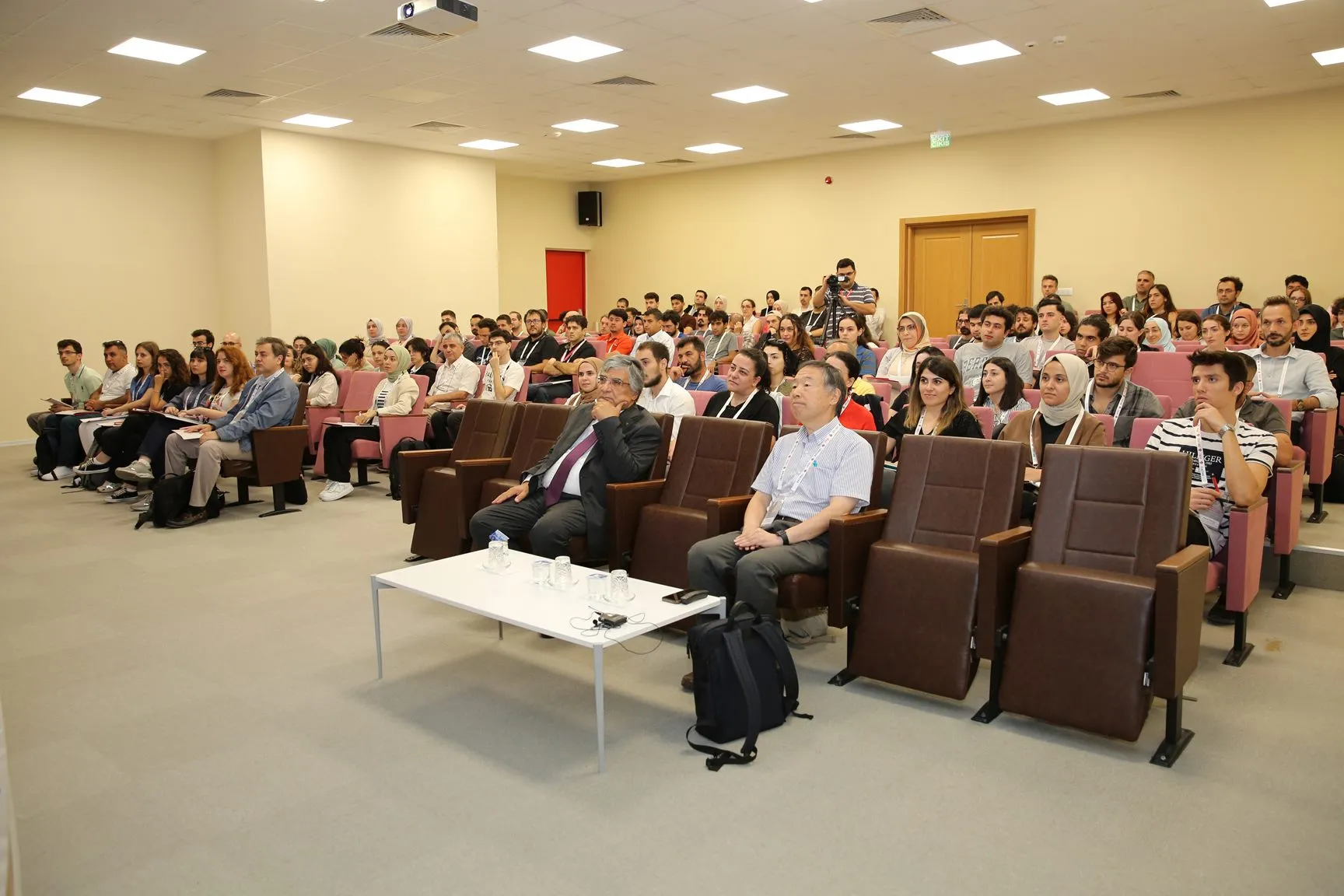
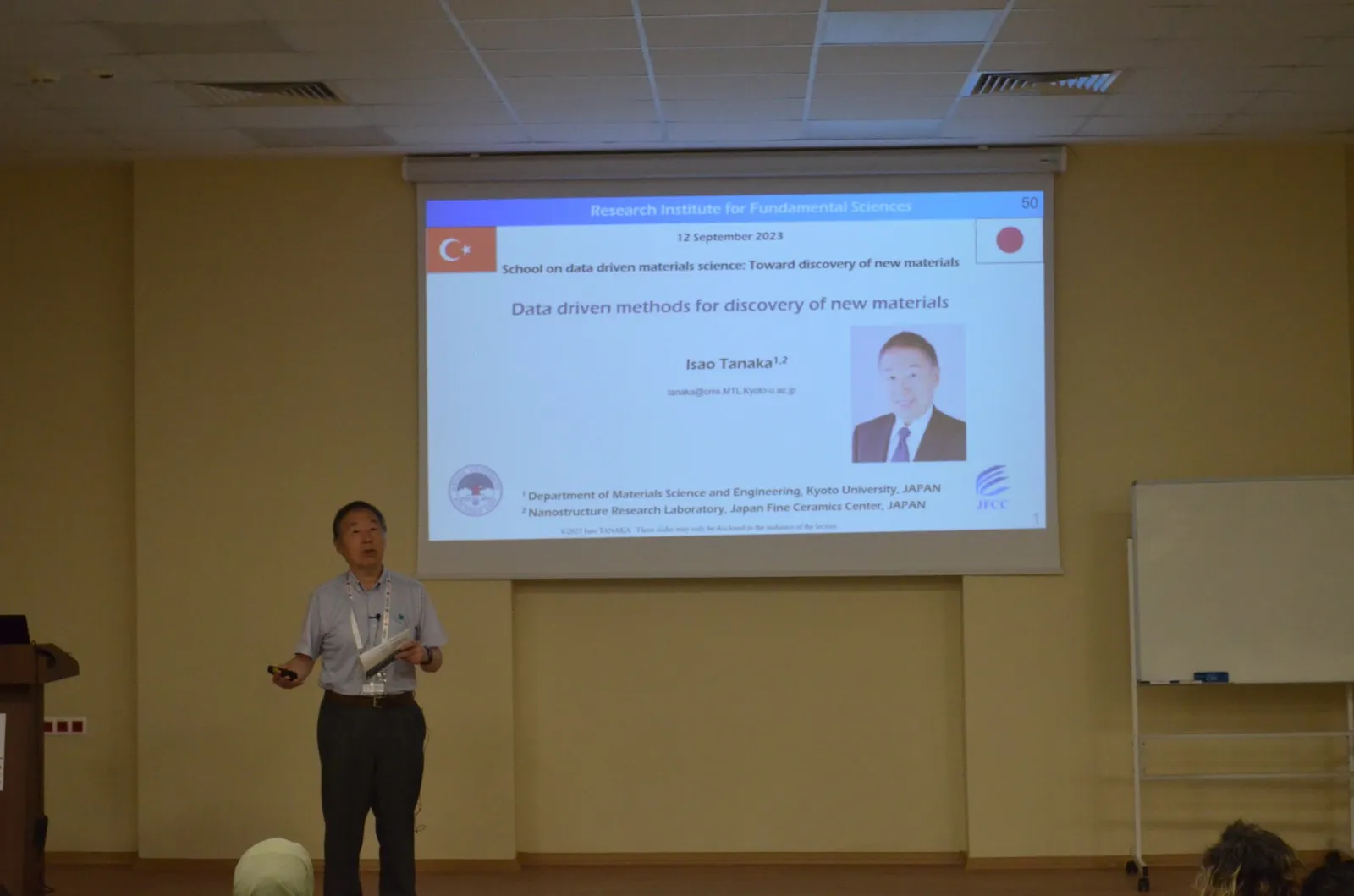
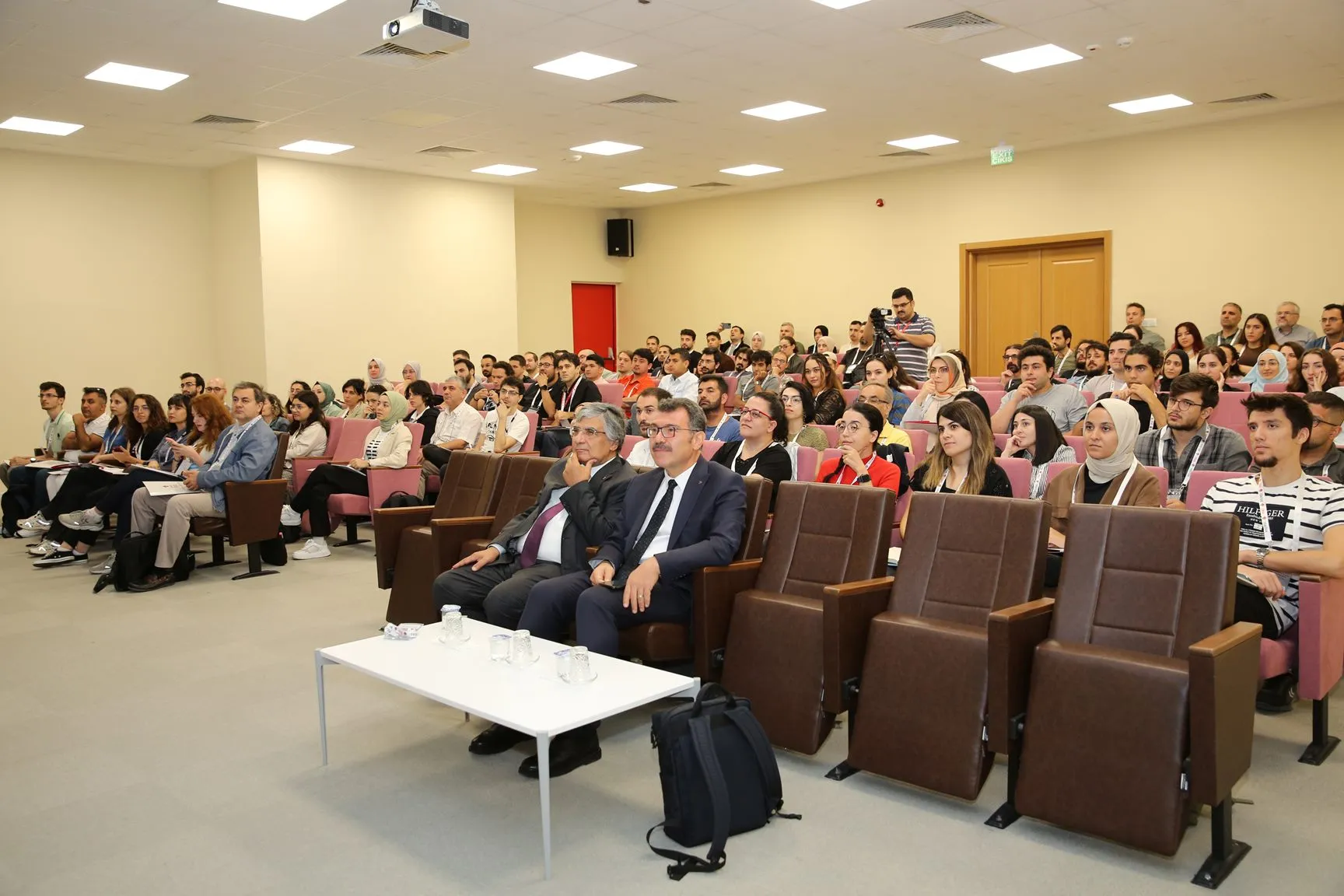
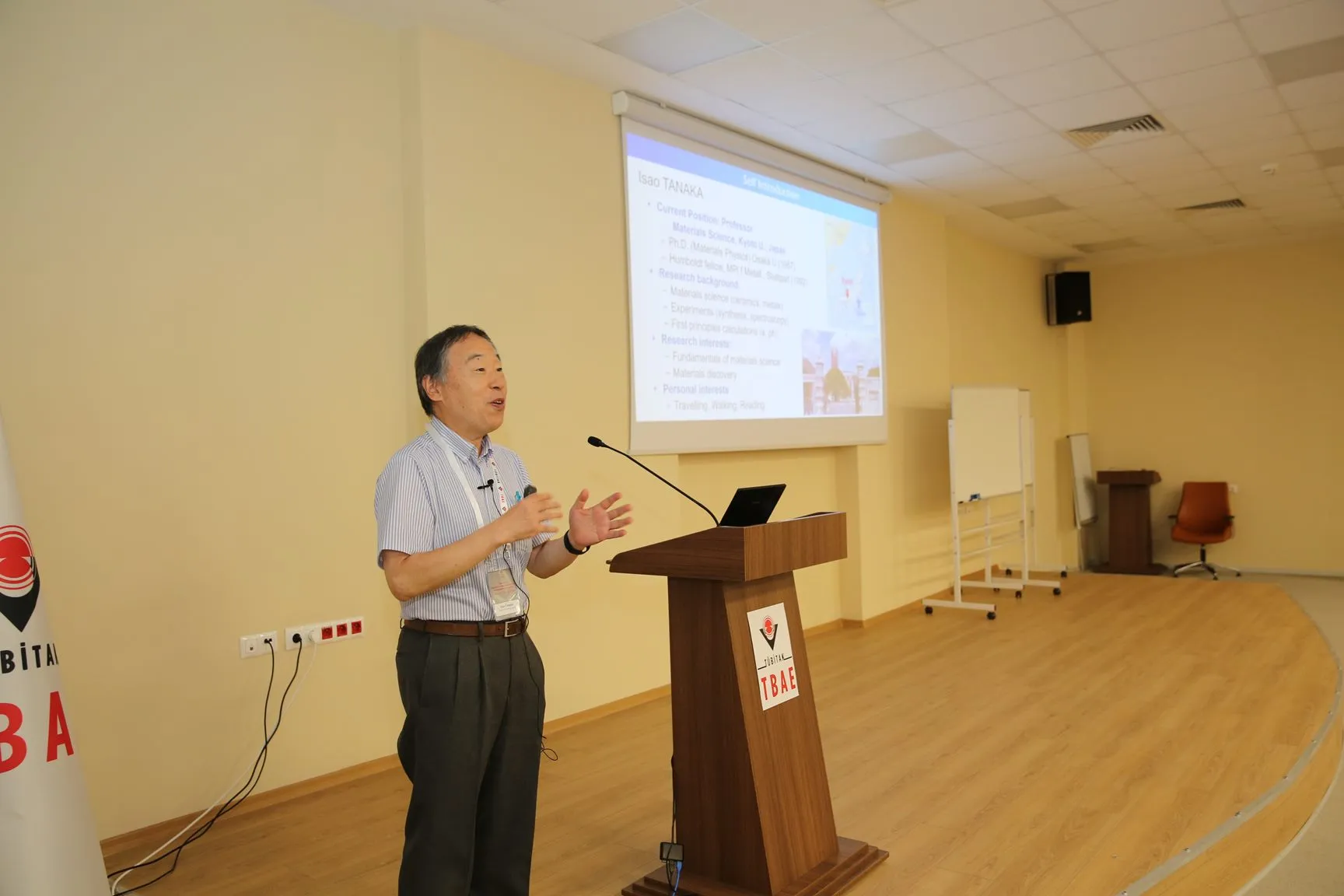
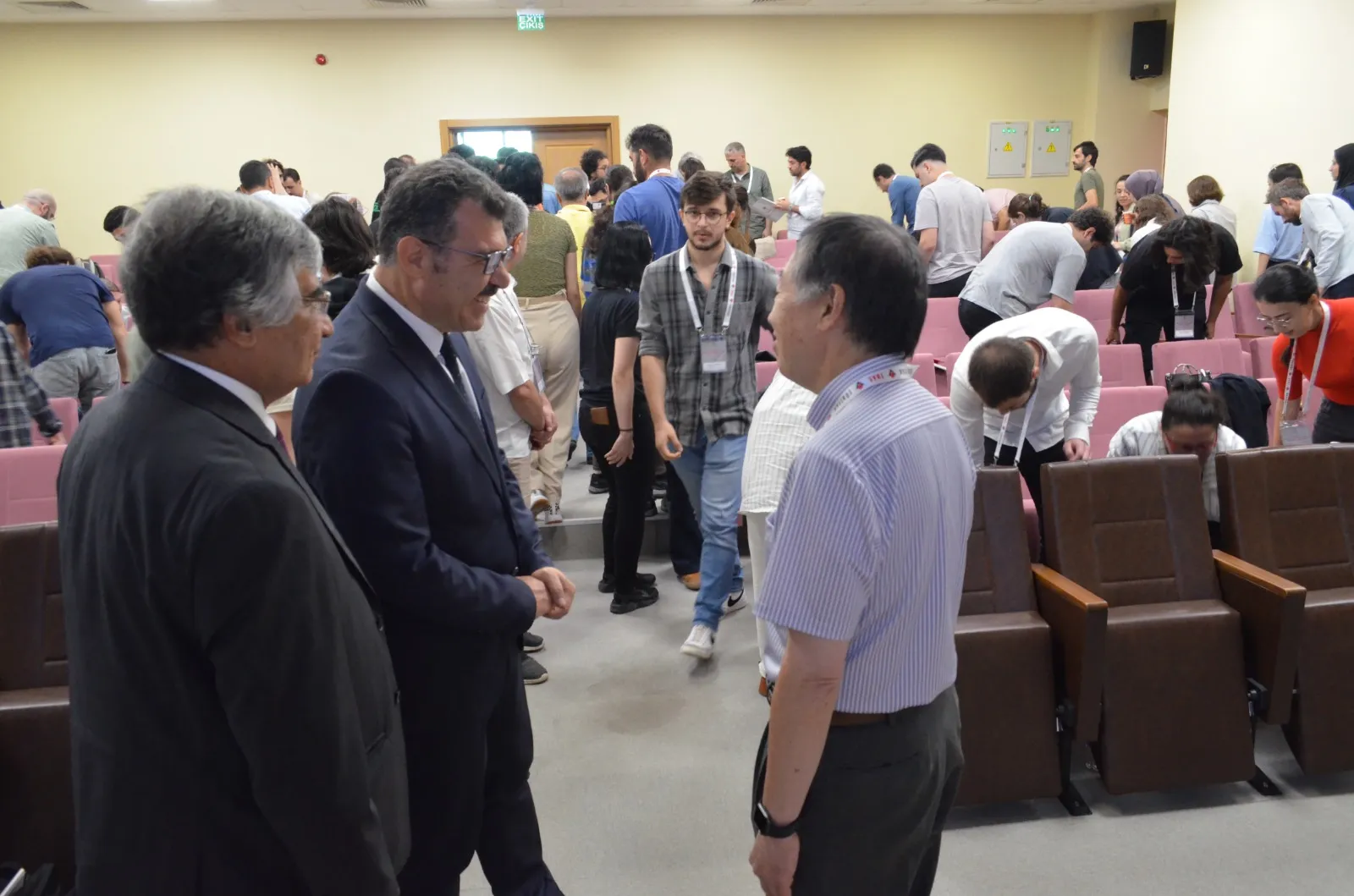
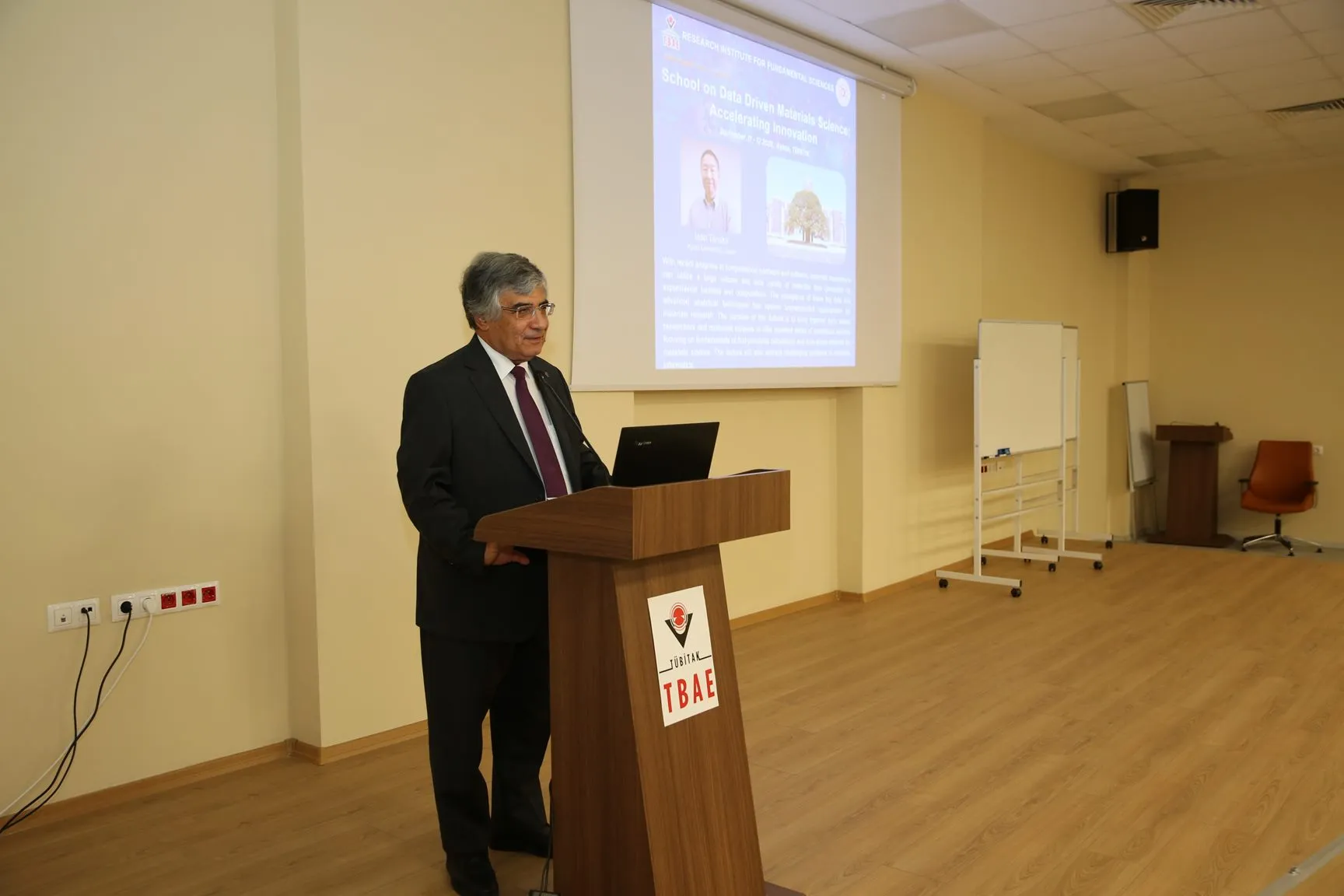
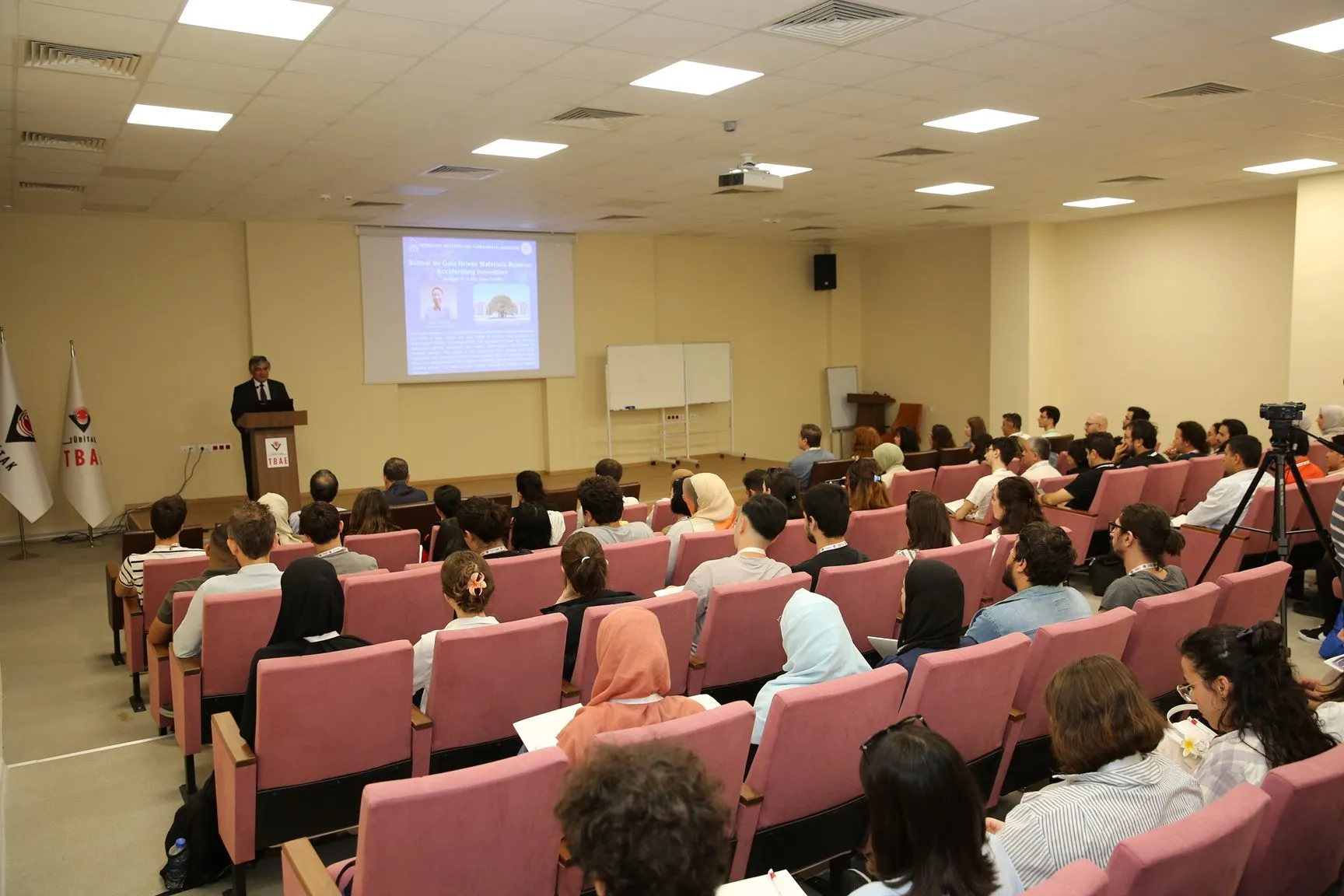
School on Data Driven Materials Science: Accelerating Innovation
September 11 – 12 2023, Gebze, TÜRKİYE
With recent progress in computational hardware and software, materials researchers can utilize a large volume and wide variety of materials data generated by experimental facilities and computations. The emergence of these big data and advanced analytical techniques has opened unprecedented opportunities for materials research. The purpose of this School is to bring together early career researchers and motivated students to offer excellent series of specialized lectures focusing on fundamentals of first-principles calculations and data-driven methods for materials science. The lecture will also address challenging problems in materials informatics.
Lecturer
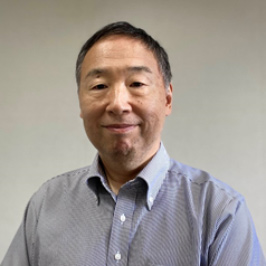
Isao Tanaka
Kyoto University, Japan
Topics Covered
- Introduction of First Principles Calculations
- First Principles Phonon Calculations and Thermal Properties
- Data Driven Methods in Materials Science
- Systematic Parallelized Experiments
Program
You can download the School Program.
Location
The school venue is TÜBİTAK TBAE facilities. A limited number of accomodation will be available.
Note: Participants are not charged any fees.
Application
You can apply to the school online.
Note: A letter of acceptance will be sent to candidates whose applications are evaluated positively.
Deadline for Applications: September 1, 2023 23:59
Poster is available here.
Organizer
Alikram Nuhbalaoğlu (Director of TÜBİTAK TBAE)
Fotoğraflar
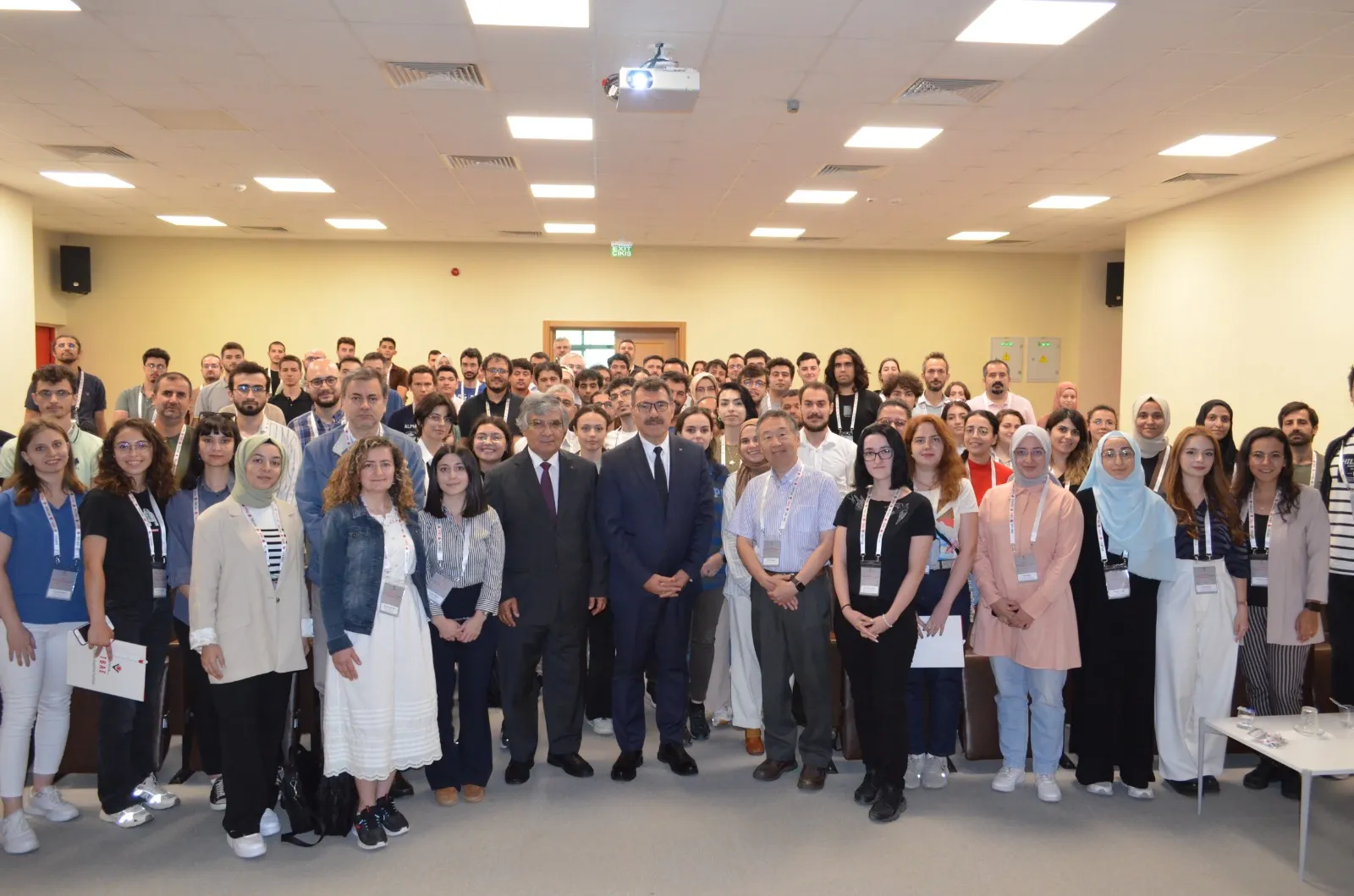
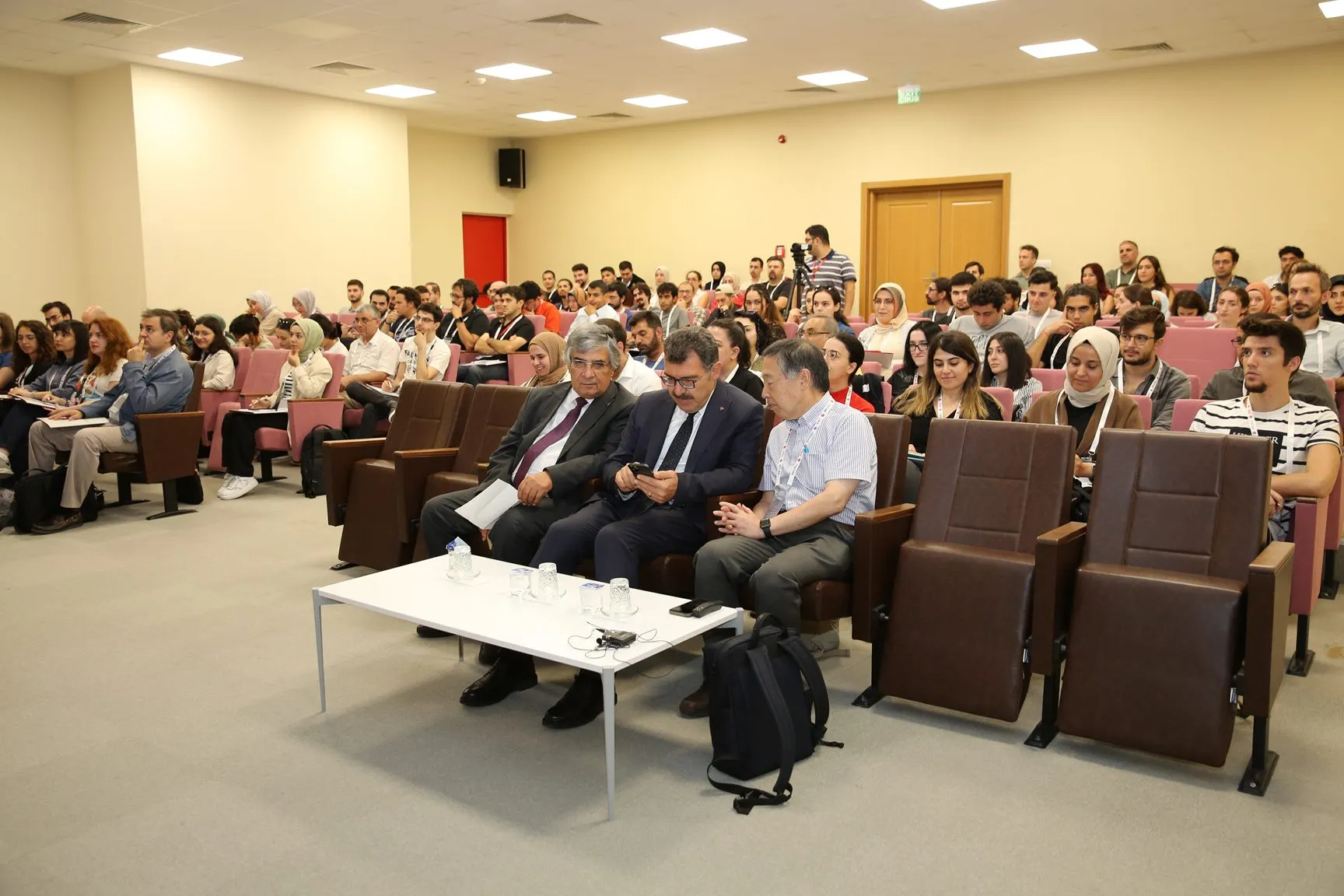
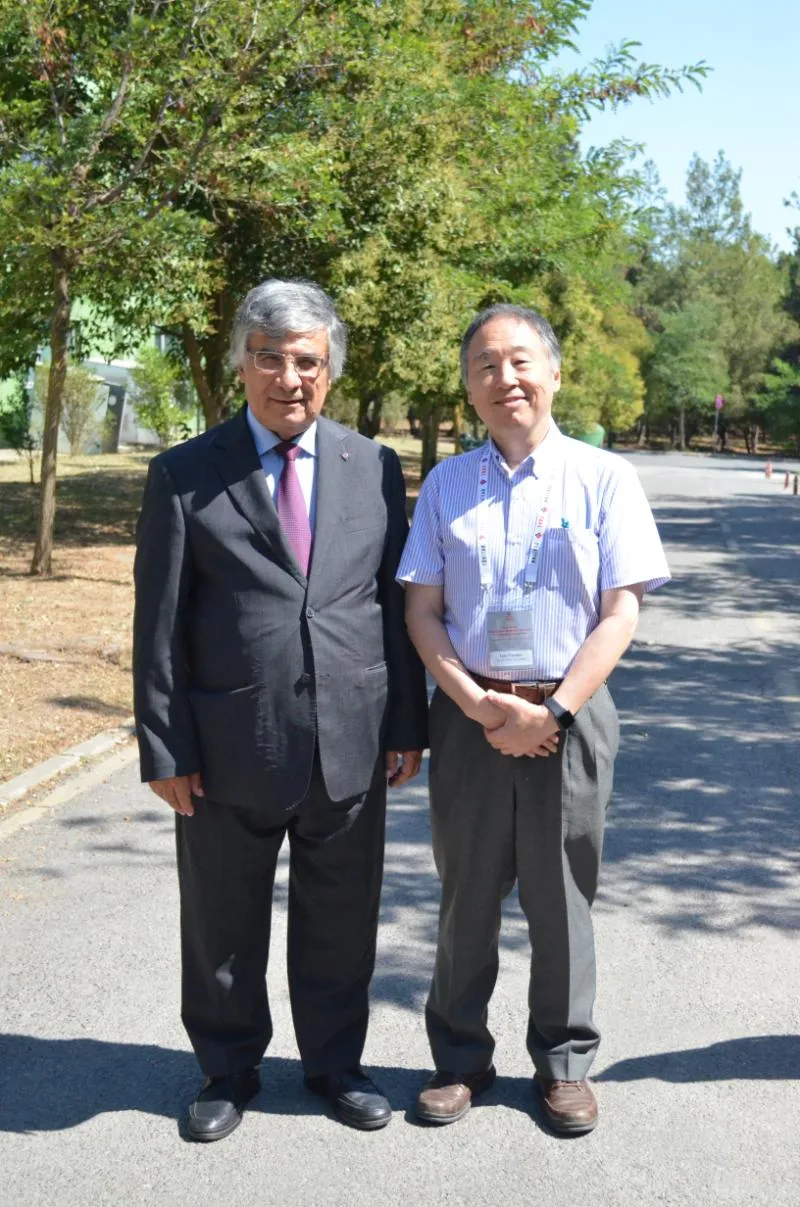
Okul Web Sitesi
School on Quantum Optical Technologies:
Quantum Communication and Quantum Sensors
July 25 – 26 2023, Gebze, TÜRKİYE
The explosive development of quantum information and quantum technology applications over the last two decades has clearly indicated that the second quantum revolution is underway. It is characterized by a rapid growth of practical applications of basic quantum theory principles discovered a century ago by the first cohort of quantum mechanics founders. The purpose of this School is to bring together early career researchers and motivated students. It offers a series of specialized lectures focusing on fundamentals of quantum states of light and on the nature of quantum entanglement as the main resource for quantum technologies. The lectures will also address challenging problems of quantum entanglement engineering and specifics of its practical use in quantum communication and high-resolution sensing.
Lecturer

Alexander Sergienko
Boston University
Topics Covered
- Quantum Entanglement as a Central Element of Quantum Physics
- Quantum Optics and Modern Approaches to Engineering Photonics Entangled States
- Quantum Communication with Single-Photon and Entangled-Photon States
- Precise Quantum Measurement (Quantum Metrology) and High-Resolution Optical Sensors
Program
You can download the School Program.
Location
The school venue is TÜBİTAK TBAE facilities. A limited number of accomodation will be available.
Note: Participants are not charged any fees.
Application
You can apply to the school online.
Note: A letter of acceptance will be sent to candidates whose applications are evaluated positively.
Deadline for Applications: July 17, 2023 23:59
Poster is available here.
Organizer
Alikram Nuhbalaoğlu (Director of TÜBİTAK TBAE)
TÜBİTAK tarafından Türkiye’deki yürütücülüğü yapılan Avrupa Moleküler Biyoloji Organizasyonu (European Molecular Biology Organisation – EMBO), yaşam bilimleri alanında çalışan bilim insanlarına yönelik çeşitli burs ve destek programları yürütmektedir. Türkiye’nin de üyesi olduğu Avrupa Moleküler Biyoloji Konferansı (European Molecular Biology Conference - EMBC) üye, asosiye ve işbirlikçi ülkeleri tarafından finanse edilen bu programlar araştırmacılara dolaşım ve bilimsel ağ oluşturma desteği sağlamaktadır.
Bu desteklerden biri olan Doktora Sonrası Araştırma Bursları (Postdoctoral Fellowships) ile EMBO, EMBC üye ülkelerindeki yaşam bilimleri alanında çalışan doktora sonrası araştırmacılara uluslararası hareketlilik sağlamakta ve farklı ülkelerde araştırma olanağı sunmaktadır.
Kimler Başvurabilir?
Programa aşağıdaki kriterleri sağlayan araştırmacılar başvuru yapabilir.
Doktora derecesine sahip olmak veya burs başlangıç dönemine kadar doktora derecesine sahip olacağını taahhüt etmek;
Doktora derecesini başvuru tarihinden itibaren en fazla iki yıl önce almış olmak;
En az bir tane uluslararası hakemli bir dergide ilk isim olarak araştırma makalesi yayınlamış olmak veya makalesi yayınlanmak üzere kabul edilmiş olmak;
Doktora derecesinin alındığı ülkeden farklı bir ülke için başvuru yapmak;
Doktora döneminde çalışılmış olunan bir laboratuvara geri dönme amacıyla başvuru yapmamak;
Hâlihazırda farklı bir ülkedeki laboratuvarda çalışan ve bulundukları laboratuvar için burs desteğine başvuran araştırmacılar için yurt dışı laboratuvarda başvuru tarihinden itibaren en fazla 6 aydır çalışıyor olmak.
Detaylı bilgi başvuru sayfasından indirilebilen Başvuru Rehberinde yer almaktadır.
Destek Kapsamı
Destek süresi en az bir en fazla iki yıldır.
EMBO tarafından bursiyere ödenmek üzere ülkelere göre değişen tutarlarda ev sahibi kuruluşa fon aktarılır.
Seyahat ve yer değiştirme desteği tek seferlik olmak üzere hibe olarak ödenir.
EMBO Fellow ağ oluşturma olanaklarına erişim sağlanır.
EMBO doktora sonrası bursiyeri EMBO Laboratuvar Liderliği kursuna ücretsiz olarak katılmaya hak kazanır.
Başvuru ve Değerlendirme
Başvurular doğrudan EMBO’ya yapılır.
Başvuru için En Yakın Başvuru Toplama Tarihi (cut-off): 14 Şubat 2025 (14:00 CET)
Başvurusu gereklilikleri sağlayan ve olumlu bulunan başvuru sahipleri mülâkata çağrılır.
Önemli Not: Katılımı artırmaya yönelik girişimler kapsamında, doktora derecesini Türkiye dışında bir ülkeden almış olan ve Türkiye’de çalışmak üzere doktora sonrası araştırma bursuna başvuran araştırmacılar başvurunun uygunluk kriterlerini sağlaması durumunda doğrudan mülakata çağırılır.
Başvuru sayfasına erişmek için tıklayınız.
İletişim
Sorularınızı fellowships@embo.org veya uidb@tubitak.gov.tr e-posta adresine iletebilirsiniz.
Document
Document
Farklı proje önerisi ile 1002–A Hızlı Destek Modülüne ve 1002–B Acil Destek Modülüne aynı anda başvuru yapabilir mi?
Evet, programların kendi içerisinde görev alabilme limitlerini aşmamak şartıyla aynı anda farklı proje önerileri ile 1002–A ve 1002–B Modüllerine başvuruda bulunulabilir.
Üniversite Bazlı Boyut ve Gösterge Grafiği
Üniversite Bazlı Boyut ve Gösterge Grafiği için tıklayınız.
Document
Girişimci ve Yenilikçi Üniversite Endeksi
Üniversitelerin yenilikçilik ve girişimcilik faaliyetlerinin tetiklenmesi ve bu alandaki performanslarının ölçülmesi amacıyla Türkiye’de ilk kez 2012 yılında TÜBİTAK tarafından hazırlanan Girişimci ve Yenilikçi Üniversite Endeksi’nin on birincisi 1 Nisan 2023 tarihinde açıklanmıştır.
Endeks kapsamında en girişimci ve yenilikçi 50 üniversite, "bilimsel ve teknolojik araştırma yetkinliği", "fikri mülkiyet havuzu", "işbirliği ve etkileşim" ile "ekonomik ve toplumsal katkı" boyutları altında 23 göstergeye göre sıralanarak kamu oyu ile paylaşılmaktadır.
| # | ÜNİVERSİTE | TOPLAM PUAN | BİLİMSEL VE TEKNOLOJİK ARAŞTIRMA YETKİNLİĞİ | FİKRİ MÜLKİYET HAVUZU | İŞBİRLİĞİ VE ETKİLEŞİM | EKONOMİK VE TOPLUMSAL KATKI |
| 1 | ORTA DOĞU TEKNİK ÜNİVERSİTESİ | 83.61 | 12.25 | 14.8 | 22.17 | 34.4 |
| 2 | SABANCI ÜNİVERSİTESİ | 77.89 | 11.57 | 13.75 | 23.54 | 29.03 |
| 3 | İSTANBUL TEKNİK ÜNİVERSİTESİ | 74.15 | 11.35 | 12.08 | 20.91 | 29.81 |
| 4 | YILDIZ TEKNİK ÜNİVERSİTESİ | 73.88 | 9.63 | 13.12 | 17.85 | 33.29 |
| 5 | İHSAN DOĞRAMACI BİLKENT ÜNİVERSİTESİ | 69.85 | 11.31 | 12.51 | 19.87 | 26.16 |
| 6 | KOÇ ÜNİVERSİTESİ | 67.74 | 12.2 | 11.73 | 18.29 | 25.52 |
| 7 | BOĞAZİÇİ ÜNİVERSİTESİ | 65.93 | 9.47 | 9.19 | 19.55 | 27.72 |
| 8 | GEBZE TEKNİK ÜNİVERSİTESİ | 64.85 | 9.54 | 10.77 | 17.57 | 26.97 |
| 9 | ÖZYEĞİN ÜNİVERSİTESİ | 63.18 | 6.6 | 17.28 | 16.46 | 22.85 |
| 10 | İZMİR YÜKSEK TEKNOLOJİ ENSTİTÜSÜ | 62.02 | 9.45 | 11.23 | 19.61 | 21.74 |
| 11 | HACETTEPE ÜNİVERSİTESİ | 59.82 | 11.38 | 7.36 | 16.87 | 24.22 |
| 12 | EGE ÜNİVERSİTESİ | 58.85 | 9.45 | 9.28 | 17.91 | 22.2 |
| 13 | ERCİYES ÜNİVERSİTESİ | 56.49 | 8.89 | 7.35 | 14.17 | 26.08 |
| 14 | ANKARA ÜNİVERSİTESİ | 55.11 | 10.4 | 4.96 | 16.51 | 23.24 |
| 15 | İSTANBUL ÜNİVERSİTESİ | 53.8 | 9.76 | 8.59 | 14.13 | 21.32 |
| 16 | GAZİ ÜNİVERSİTESİ | 53.45 | 9.53 | 7.87 | 13.76 | 22.28 |
| 17 | İSTANBUL ÜNİVERSİTESİ-CERRAHPAŞA | 51.05 | 9.04 | 11.48 | 10.82 | 19.71 |
| 18 | İSTANBUL MEDİPOL ÜNİVERSİTESİ | 50.49 | 6.25 | 15.93 | 13.28 | 15.03 |
| 19 | TOBB EKONOMİ VE TEKNOLOJİ ÜNİVERSİTESİ | 50.3 | 6.31 | 8.93 | 12.67 | 22.39 |
| 20 | BURSA ULUDAĞ ÜNİVERSİTESİ | 50.16 | 6.85 | 6.53 | 15.95 | 20.83 |
| 21 | MARMARA ÜNİVERSİTESİ | 50.15 | 8.29 | 5.73 | 16 | 20.14 |
| 22 | ESKİŞEHİR TEKNİK ÜNİVERSİTESİ | 49.72 | 6.4 | 11.44 | 13.54 | 18.34 |
| 23 | DOKUZ EYLÜL ÜNİVERSİTESİ | 49.51 | 8.13 | 7.39 | 15.38 | 18.6 |
| 24 | BAHÇEŞEHİR ÜNİVERSİTESİ | 48.73 | 5.88 | 7.6 | 12.59 | 22.66 |
| 25 | YEDİTEPE ÜNİVERSİTESİ | 48.66 | 5.98 | 11.7 | 14.6 | 16.38 |
| 26 | YAŞAR ÜNİVERSİTESİ | 48.52 | 5.29 | 10.76 | 12.22 | 20.24 |
| 27 | KARADENİZ TEKNİK ÜNİVERSİTESİ | 48.51 | 7.67 | 8.06 | 13.93 | 18.86 |
| 28 | ATILIM ÜNİVERSİTESİ | 47.28 | 5.76 | 7.6 | 12.97 | 20.95 |
| 29 | ÇUKUROVA ÜNİVERSİTESİ | 47.24 | 7.36 | 7.46 | 14.63 | 17.79 |
| 30 | AKDENİZ ÜNİVERSİTESİ | 46.75 | 7.39 | 7.04 | 12.46 | 19.87 |
| 31 | KOCAELİ ÜNİVERSİTESİ | 44.92 | 6.38 | 3.84 | 13.47 | 21.23 |
| 32 | ESKİŞEHİR OSMANGAZİ ÜNİVERSİTESİ | 44.6 | 7.2 | 5.01 | 14.51 | 17.89 |
| 33 | FIRAT ÜNİVERSİTESİ | 43.73 | 8.4 | 5.77 | 8.44 | 21.12 |
| 34 | SAKARYA ÜNİVERSİTESİ | 43.64 | 7.18 | 3.49 | 10.64 | 22.32 |
| 35 | ONDOKUZ MAYIS ÜNİVERSİTESİ | 42.84 | 7.37 | 5.16 | 10.96 | 19.35 |
| 36 | ACIBADEM MEHMET ALİ AYDINLAR ÜNİVERSİTESİ | 42.25 | 5.94 | 6 | 16.24 | 14.07 |
| 37 | ATATÜRK ÜNİVERSİTESİ | 41.86 | 8.02 | 7.09 | 10.48 | 16.26 |
| 38 | KADİR HAS ÜNİVERSİTESİ | 41.48 | 6.12 | 1.82 | 15.79 | 17.74 |
| 39 | SÜLEYMAN DEMİREL ÜNİVERSİTESİ | 40.71 | 6.66 | 3.63 | 11.75 | 18.67 |
| 40 | ABDULLAH GÜL ÜNİVERSİTESİ | 40.56 | 7.87 | 8.4 | 12.04 | 12.25 |
| 41 | SELÇUK ÜNİVERSİTESİ | 40.03 | 7.59 | 5.17 | 11.94 | 15.32 |
| 42 | İZMİR EKONOMİ ÜNİVERSİTESİ | 39.98 | 5.16 | 6.11 | 13.1 | 15.61 |
| 43 | KONYA TEKNİK ÜNİVERSİTESİ | 39.75 | 6.29 | 2.77 | 13.73 | 16.96 |
| 44 | BURSA TEKNİK ÜNİVERSİTESİ | 39.5 | 5.61 | 9.03 | 16.06 | 8.79 |
| 45 | ANKARA YILDIRIM BEYAZIT ÜNİVERSİTESİ | 37.93 | 6.48 | 2.28 | 9.98 | 19.19 |
| 46 | ÇANKAYA ÜNİVERSİTESİ | 37.87 | 6.94 | 7.24 | 8.39 | 15.29 |
| 47 | PAMUKKALE ÜNİVERSİTESİ | 37.83 | 5.65 | 2.99 | 9.56 | 19.64 |
| 48 | İSTANBUL OKAN ÜNİVERSİTESİ | 37.61 | 4.34 | 3.48 | 11.39 | 18.4 |
| 49 | ÇANAKKALE ONSEKİZ MART ÜNİVERSİTESİ | 36.43 | 5.39 | 4.06 | 8.97 | 18.02 |
| 50 | HASAN KALYONCU ÜNİVERSİTESİ | 36.27 | 5.34 | 4.8 | 0.19 | 25.94 |
- 2021 yılı YÖK verilerine göre 31.12.2021 tarihinde faal olan ve 50'nin üzerinde Prof. + Doç. + Dr. Öğr. Üyesi'ne sahip 192 üniversite hesaplamalara dahil edilmiştir.
- Gösterge değerlerinin hem ham değerleri hem de YÖK tarafından sağlanan üniversitenin 2021 yılı öğretim üyesi (Prof. + Doç. + Dr. Öğr. Üyesi) değerine bölünerek normalize edilmiş değerleri hesaplamaya eşit oranda dahil edilmiştir.
- Veriler standardize edilirken min-max yöntemi kullanılmıştır
- Ağırlık: Birinci boyut: %15, İkinci Boyut: %20, Üçüncü Boyut: %25, Dördüncü Boyut: %40
Boyut Bazlı Sütun Grafiği
Grafiği görmek için tıklayınız.
Aile ve Sosyal Hizmetler Bakanlığının ihtiyaç duyduğu kadına yönelik şiddetle mücadele politikaları, programları ve hizmetlerinin geliştirilmesi ve yaygınlaştırılması amacıyla TÜBİTAK Kamu Kurumları Araştırma ve Geliştirme Projelerini Destekleme Programı (1007 Programı) kapsamında Aile ve Sosyal Hizmetler Bakanlığının müşteri kurum olarak yer aldığı “Türkiye Kadına Yönelik Şiddet Araştırması-2024” başlıklı çağrı, Kamu Araştırmaları Destek Grubu (KAMAG) tarafından 05.04.2024 itibari ile yayınlanmıştır.
Bu çağrıda Türkiye’de kadına yönelik şiddettin;
• Mevcut durumu,
• Bölgesel risk faktörleri,
• Sonuç ve etkileri,
• Mücadele yöntemleri,
• Destek modelleri,
Araştırma alanlarına yer verilmektedir.
Çağrıya ilişkin detaylı bilgilere ve başvuru sistemine http://ardeb-pbs.tubitak.gov.tr bağlantısından ulaşabilirsiniz.
Hazırlanacak proje önerilerinin 10.05.2024 tarihine kadar sisteme kaydedilmesi gerekmektedir.
Not: Başvurular doğrudan 2. Aşama olarak alınacaktır.
Türkiye Kadına Yönelik Şiddet Araştırması-2024 Çağrısı İletişim Bilgileri:
KAMAG İrtibat Noktası
Muhammed Furkan AKKOYUNLU
furkan.akkoyunlu@tubitak.gov.tr
0312 - 298 13 17
Dr. Efe İsa TEZDE
0312 - 298 13 24
2024-1 BİGG Yatırım Çağrısı yeniliklerle devam ediyor.
1812 - TÜBİTAK Yatırım Tabanlı Girişimcilik Destek Programı - 2024-1 BİGG Yatırım çağrısı kapsamında ilk defa 2 girişimciye eş yatırım yapılmasına karar verildi. Eş yatırım uygulaması kapsamında Mükemmeliyet Mührü alan BİGG girişimcileri panel değerlendirmelerinin tamamlanmasını beklemeden, TÜBİTAK BiGG Fonu ve yatırımcılarından eş yatırım alarak, iş planları faaliyetlerine başlayabilecekler.
1812-TÜBİTAK Yatırım Tabanlı Girişimcilik Destek Programı çerçevesinde açılan 2024-1 BiGG yatırım çağrısı kapsamında, uygulayıcı kuruluş veya kendi aralarındaki sözleşmeye göre uygulayıcı kuruluş adına hareket eden tüzel kişilerin TÜBİTAK BİGG Fonu ile beraber eş yatırımı kapsamında Mükemmeliyet Mührü alan girişimlere erişmek aşağıdaki dosya listesine tıklayınız.
2024 yılı içerisinde 1812–TÜBİTAK Yatırım Tabanlı Girişimcilik Destek Programı kapsamında açılması öngörülen ikinci BiGG Yatırım Çağrısı kapsamında da eş yatırım uygulaması ve hızlı destek imkanı girişimcilerimize sunulmaya devam edecektir.
Daha önce sunduğum 1002-A projesi bilimsel değerlendirmeye alınmadan iade edildi/bilimsel değerlendirme sonucu desteklenmedi, aynı proje önerisi ile yeniden başvuru yapabilir miyim?
İade yazısında/bilimsel değerlendirme raporunda belirtilen revizyonları yaparak aynı proje önerisi (Özel Ret durumundaki projeler hariç) ile yeniden başvuru yapabilirsiniz.